Dishwashers are among the most relied-on appliances in any home. We use them daily without giving much thought to how they work, until they stop doing their job. When dishes start coming out dirty, cycles take too long, or the machine makes strange noises, it becomes clear how much convenience this single appliance adds to our lives. In Calgary, with our hard water and variable temperatures, dishwashers often face extra strain that can lead to frequent issues if not addressed properly. Understanding the most common dishwasher problems and how to handle them can help prevent expensive breakdowns and keep your kitchen running smoothly.
Why Dishwashers Break Down More Often Than Expected
Many homeowners assume dishwashers should last for a decade or more without issues. In reality, performance depends on regular maintenance and correct usage. Overloading, using too much detergent, and neglecting to clean filters all shorten the machine’s lifespan. In Calgary, hard water adds another challenge by leaving mineral deposits on heating elements and spray arms. Over time, this buildup reduces water flow and causes heating problems, which can lead to cycle failures.
Routine cleaning and maintenance go a long way. For example, running a monthly cleaning cycle with vinegar or a dishwasher cleaner can prevent scale buildup. Checking the filter every couple of weeks helps the motor run efficiently and keeps water circulating properly. Most people overlook this step, but a clogged filter is one of the most common reasons for dirty dishes.
Signs Your Dishwasher Needs Professional Repair
Recognizing early warning signs can prevent a complete breakdown. A few issues may seem minor at first but point to deeper electrical or mechanical problems. Common red flags include long wash times, standing water after a cycle, or dishes that remain greasy or cloudy.
If you notice the dishwasher tripping your circuit breaker, that’s a sign of an electrical issue inside the unit or with the outlet itself. Unusual noises—especially grinding or clicking—can indicate a problem with the circulation pump or motor bearings. And if the door doesn’t latch properly, it’s not only an inconvenience but also a safety concern, since the machine might leak during operation.
While simple cleaning fixes can solve some problems, others require trained technicians who understand the electrical, mechanical, and plumbing systems involved. When professional help is needed, it’s best to rely on experts who specialize in Appliance Repair in Calgary.
Common Dishwasher Problems and What Causes Them
Each dishwasher issue has its own underlying cause, and identifying it correctly can save both time and money. Here are the most frequent problems Calgary homeowners encounter.
1. Water Not Draining
When water remains at the bottom of the tub, the problem often lies with the drain hose or filter. Food particles or grease buildup can block these components. Sometimes the issue is more complex, such as a faulty drain pump. If your kitchen sink drain shares a connection with the dishwasher, a clog in the sink line may also affect drainage.
2. Dishwasher Not Filling with Water
This usually points to a defective water inlet valve or a malfunctioning float switch. Calgary’s hard water can damage these small parts over time, restricting water flow into the machine. Replacing these components requires professional tools and safety precautions since they involve the home’s water supply.
3. Dishes Still Dirty After a Cycle
This is often due to a dirty spray arm, a clogged filter, or incorrect loading. Hard water residue can also play a major role. If cleaning the arms and filters doesn’t help, it could be an issue with water pressure or the circulation pump not delivering enough force to wash effectively.
4. Unusual Noises During Operation
Grinding or rattling sounds typically come from debris stuck in the chopper blade or pump area. If you hear high-pitched squealing, the motor bearings might be worn out. These sounds should never be ignored, as continuing to run the dishwasher could cause additional damage.
5. Leaking Water
Leaking can come from several sources: the door gasket, the float assembly, or even the detergent dispenser. A damaged gasket is the most common cause and can be replaced easily, but leaks from underneath might signal a broken pump seal, which should be fixed professionally.
How Calgary’s Hard Water Affects Dishwasher Performance
Calgary’s water supply contains high levels of calcium and magnesium. Over time, these minerals accumulate inside dishwashers, coating the heating element, spray arms, and interior walls. This buildup makes the machine work harder to heat and circulate water, increasing wear on components. It also leaves cloudy spots on glassware and dulls stainless-steel finishes.
Using a water softener can reduce these problems. If that’s not an option, regularly adding a rinse aid and running periodic cleaning cycles with vinegar helps maintain the appliance’s efficiency. Cleaning the filter more frequently also keeps the pump from clogging with mineral residue.
When to Repair Versus Replace
A good rule of thumb is to compare the repair cost with the appliance’s age. Dishwashers typically last between eight and twelve years. If yours is older than ten years and requires a costly part like a motor or control board, replacement might make more sense. However, if it’s a newer model, investing in a professional repair usually extends its lifespan by several more years.
Technicians can often advise whether a specific issue is minor or a sign of broader failure. For instance, replacing a door latch or drain hose is usually inexpensive, while replacing a heating element or motor can approach the cost of a new unit.
What to Expect During a Professional Dishwasher Repair
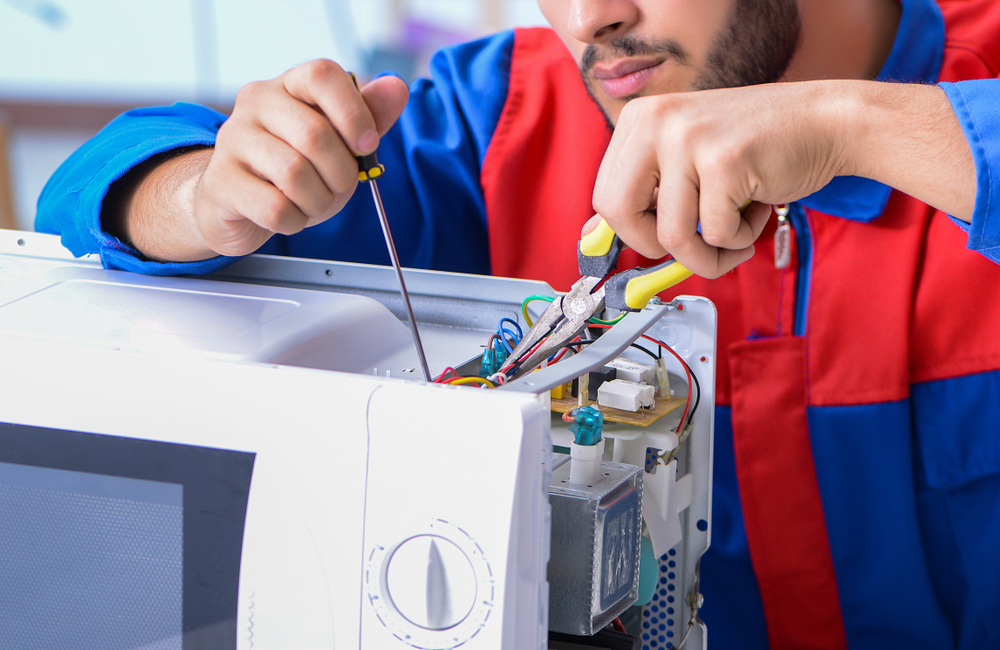
When a technician arrives, the process starts with diagnosing the cause of the issue through tests and visual inspection. The goal is to determine whether the problem is electrical, mechanical, or plumbing related. This step prevents unnecessary replacements and ensures the correct fix.
The technician then disconnects the power and water supply before removing the dishwasher’s panels. Depending on the problem, they might replace a valve, motor, gasket, or sensor. Once repairs are complete, the machine is reassembled and tested for leaks and proper operation.
Professionals also check water temperature, pressure, and drainage connections to confirm that external factors aren’t contributing to the issue. This step is especially important in Calgary homes, where plumbing systems can vary widely between older and newer constructions.
Preventing Future Breakdowns
Preventive maintenance keeps dishwashers running efficiently. Running a cleaning cycle once a month, scraping off food before loading, and ensuring proper detergent use all reduce wear on internal components. Using the correct amount of detergent matters more than most people think. Too much soap creates excess suds, which can leak and cause the pump to overwork.
Another simple habit is to leave the dishwasher door slightly open after each cycle. This prevents moisture buildup and mold growth, keeping the interior fresh and extending the lifespan of rubber seals.
Scheduling a professional inspection every year or two helps catch minor problems before they lead to costly repairs. During these visits, technicians clean internal components, check for leaks, and verify electrical safety. This small investment often saves hundreds in future repair costs.
Tips for Choosing the Right Repair Service
When choosing a service provider, look for experience with multiple dishwasher brands and models. Technicians who understand how different designs function can diagnose problems more accurately. It’s also important that they follow local safety standards and use certified replacement parts.
Reliable technicians communicate clearly about what needs to be fixed and why. They should also provide a transparent estimate before starting work. Reading local reviews and asking for recommendations can help you find dependable professionals.
For comprehensive service, many Calgary homeowners prefer companies that handle multiple appliance types since technicians familiar with appliance repair in Calgary can identify issues across interconnected systems like dishwashers, refrigerators, and garbage disposals.
If your dishwasher is showing signs of malfunction or you suspect an electrical issue, don’t wait until it fails completely. You can easily contact us to arrange a professional inspection or repair appointment.
FAQ
1. Why does my dishwasher smell even after cleaning?
Persistent odors often come from trapped food particles or grease buildup in the filter, gasket, or drain hose. Cleaning these areas with vinegar or baking soda usually removes the smell.
2. How often should I clean the dishwasher filter?
It depends on usage, but most Calgary households benefit from cleaning it every two to three weeks, especially if dishes are heavily soiled before loading.
3. What’s the best detergent for hard water in Calgary?
Using a detergent labeled for hard water and pairing it with a rinse aid prevents mineral buildup and keeps dishes spotless. Powder or gel pods work best for local conditions.
4. Can I run my dishwasher without hot water?
Dishwashers can heat their own water, but the process takes longer and uses more electricity. Ensuring the home’s water heater supplies at least 120°F helps improve cleaning performance.
5. Why does my dishwasher make a clicking noise?
A clicking sound can be normal when the timer or control board advances, but repeated or loud clicks might signal a failing motor or relay switch that requires attention.
Maintaining your dishwasher through proper care and timely professional service ensures it continues running efficiently for years. With a little attention and knowledge, Calgary homeowners can avoid most major repairs and keep their kitchens functioning smoothly.