Dryer overheating during normal cycles is a problem many homeowners face without realizing how serious it can become. Therefore, noticing early signs and understanding the cause helps prevent damage and keeps your home safe.
At Freedom Appliances Calgary, this issue appears often during service calls. In other words, dryers may still run, but they operate at unsafe temperatures that can lead to bigger failures if ignored.
Common Signs Your Dryer Is Overheating
Most dryers give warning signs before overheating becomes dangerous. However, these signs are easy to miss during everyday use.
For example, clothes may feel extremely hot right after a cycle finishes. In addition, you might notice a burning smell or excessive heat coming from the machine itself.
Sometimes, the dryer shuts off unexpectedly. Consequently, this usually means built-in safety systems are trying to prevent overheating damage.
Above all, these signs should not be ignored, because they indicate the system is not working as it should.
Blocked Airflow Is the Main Reason
Airflow is the most important factor in keeping your dryer temperature under control. When hot air cannot escape, heat builds up quickly inside the unit.
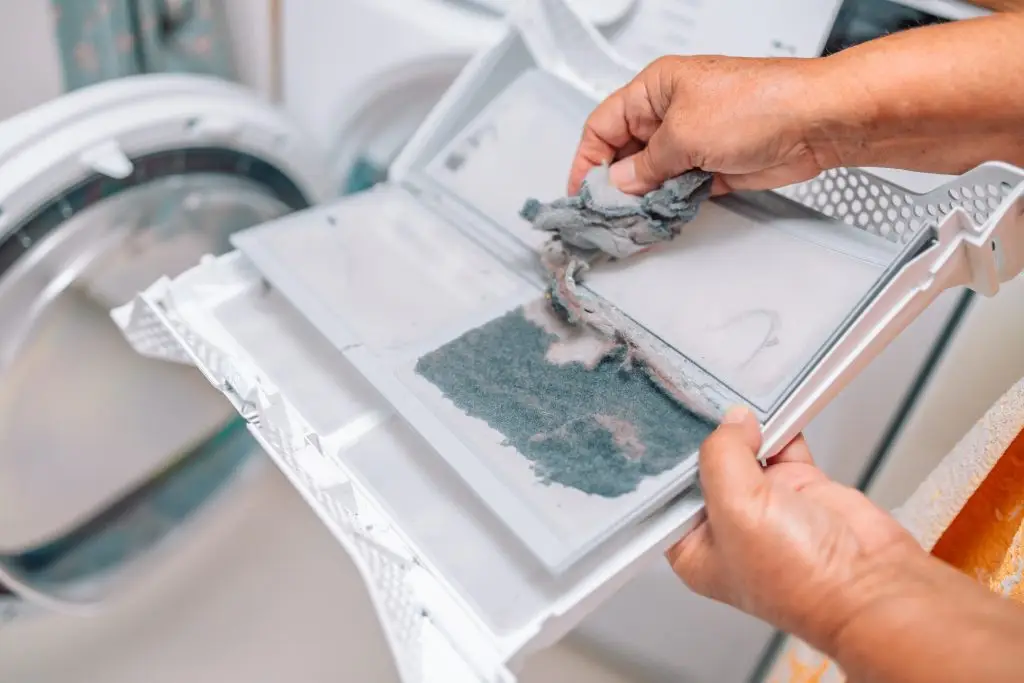
For instance, lint buildup in the vent or filter blocks proper airflow. In addition, a crushed or bent vent hose restricts air movement even further.
During normal operation, hot air should move out of the dryer without resistance. However, when the airflow is blocked, the heat remains trapped.
As a result, the dryer overheats even during standard cycles, which can damage internal parts over time.
If this continues, it is often necessary to check the full system or book a professional inspection through appliance repair and installation.
Faulty Thermostat or Heating Element
Another common cause of overheating is a malfunctioning thermostat or heating element. These parts control how much heat is produced inside the dryer.
If the thermostat fails, it cannot regulate temperature properly. Likewise, a damaged heating element may continue producing heat without stopping.
To clarify, the thermostat should signal when the dryer needs to cool down. However, when it stops working, the system overheats because it cannot control temperature levels.
Consequently, internal components may wear out faster or fail completely.
Overloading the Dryer
Loading too many clothes into the dryer can also cause overheating. Although it may seem efficient, it actually reduces airflow inside the drum.
For example, large loads prevent hot air from circulating evenly. Similarly, heavy fabrics like towels trap heat in certain areas.
In addition, the dryer works harder to dry overloaded items, which increases internal temperature.
As a result, the machine overheats even though it is running a normal cycle.
External Vent Problems
Sometimes the issue is not inside the dryer at all. Instead, the external vent system may be blocked or restricted.
For instance, outdoor vents can become clogged with lint, debris, or even ice during colder months. Meanwhile, this prevents hot air from escaping properly.
Therefore, the heat stays trapped inside the dryer, leading to overheating.
Checking both indoor and outdoor vent systems is important when diagnosing this issue.
Why Overheating Should Be Fixed Quickly
Ignoring an overheating dryer can lead to serious problems. First, it can damage important internal components like wiring and sensors.
In addition, it reduces the lifespan of your appliance, leading to more frequent repairs.
More importantly, overheating creates a fire hazard. Lint is highly flammable, and when combined with excessive heat, it becomes dangerous.
Above all, acting early helps avoid costly repairs and protects your home.
How Other Appliances Can Be Affected
Dryer issues often happen alongside other appliance problems. For example, improper maintenance habits may affect multiple machines in the home.
If your laundry routine is affected, it may also be worth checking your washer system. In some cases, related issues can be resolved with professional washing machine repair.
Similarly, kitchen appliances may also show performance issues if maintenance is overlooked. Therefore, services like dishwasher repair help maintain overall appliance efficiency.
Preventing Dryer Overheating
Preventing overheating starts with simple maintenance habits. Regular cleaning and proper usage make a big difference.
First, clean the lint filter after every cycle. In addition, inspect the vent system regularly to ensure airflow is not restricted.
Avoid overloading the dryer, because smaller loads allow heat to circulate properly. For instance, separating heavy and light fabrics improves drying performance.
Most importantly, schedule inspections when something feels off. Professional service like dryer repair Calgary ensures the problem is identified and fixed correctly.
When to Call for Professional Help
If overheating continues even after cleaning and proper use, professional help is necessary. Some internal issues cannot be fixed without proper tools and experience.
At Freedom Appliances Calgary, technicians inspect airflow systems, thermostats, and heating elements to find the exact cause. Consequently, this prevents further damage and ensures safe operation.
In other words, getting expert help saves time and avoids unnecessary risks.
FAQs
Why is my dryer overheating even with a clean lint filter?
Even with a clean filter, the vent system or internal components like the thermostat may be faulty, causing heat buildup inside the dryer.
Can overheating damage my clothes?
Yes, excessive heat can shrink fabrics, damage fibers, and reduce the lifespan of your clothing over time.
Is it normal for a dryer to feel hot on the outside?
Slight warmth is normal, but excessive heat on the exterior usually indicates airflow problems or overheating inside the unit.
How often should I check my dryer vent?
You should inspect your vent every few months and clean it regularly to prevent blockages and overheating risks.
Should I stop using my dryer if it overheats?
Yes, it is safer to stop using it immediately and have it inspected to prevent further damage or potential fire hazards.