Freedom Appliances has helped countless Calgary homeowners troubleshoot appliances that behave strangely — and few complaints come in more often than a dryer that feels scorching hot on the outside. If your dryer feels too hot to touch on its exterior, something is wrong. This is not normal operating behaviour, and ignoring it can lead to fire hazards, damaged clothing, and expensive repairs down the road. Understanding why your dryer overheats on the outside puts you one step closer to fixing it fast.
Why Dryer External Heat Is a Warning Sign
Most dryers generate heat internally to dry your clothes. The outer casing should feel warm — not hot. When the exterior becomes uncomfortably hot to the touch, the heat is not staying where it belongs. This usually means something is blocking airflow, causing heat to build up and radiate outward instead of venting safely outside your home.
A dryer that runs too hot on the outside also works harder than it should. That extra strain shortens the lifespan of its components and drives up your electricity bill. Catching this problem early saves you money and keeps your household safe.
The Most Common Cause: A Clogged Dryer Vent
The single most frequent reason a dryer feels too hot outside is a blocked or restricted exhaust vent. Lint builds up inside the vent duct over time, and once enough accumulates, hot air cannot escape properly. Heat backs up inside the drum and the cabinet, pushing through the outer panels.
Check your vent line from the back of the dryer to where it exits your home. If the duct is kinked, crushed, or packed with lint, airflow is compromised. Clean the vent thoroughly — including the exterior vent cap — and test the dryer again. Many homeowners are surprised how much lint collects in just one season of regular use.
If you rely on your appliances daily and have not cleaned your dryer vent in over a year, scheduling a professional dryer repair Calgary service is a smart move.
A Faulty Thermostat or Thermal Fuse
Your dryer uses a thermostat to regulate internal temperature. When this component fails, the dryer has no reliable way to know when to cycle the heating element off. The result is sustained, excessive heat that overwhelms the cabinet and radiates to the outside surface.
A thermal fuse works as a safety backup. Once it blows from overheating, it either cuts power entirely or allows the dryer to run without proper temperature control. Both outcomes are problematic. Replacing a faulty thermostat or blown thermal fuse requires disassembling the dryer — a job best left to a qualified technician.
Heating Element Problems
In electric dryers, a heating element that stays on continuously causes the interior to overheat rapidly. This happens when the element shorts against its housing or when the control board fails to send the correct shutoff signal. Gas dryers face similar issues when the gas valve solenoid malfunctions and allows unregulated heat.
Either way, the heat produced exceeds what the dryer can safely contain, and the excess transfers to the outer casing. If you notice your clothes coming out extremely hot or even slightly scorched, a heating element issue is likely involved.
Overloading the Dryer
Many people overlook this simple cause. When you pack too many items into a single load, airflow inside the drum becomes restricted. The dryer works overtime trying to push moisture out of a dense mass of fabric. Heat builds up, cycles run longer, and the exterior temperature climbs.
Stick to moderate load sizes. Dry heavy items like towels and bedding separately from lighter fabrics. Giving air room to circulate makes every cycle more efficient and keeps the cabinet temperature within a safe range.
Blocked or Improper Vent Installation
Some homes have dryer vents that were installed incorrectly from the start. Vents routed through long, winding paths lose airflow efficiency quickly. Flexible foil ducts, common in older installations, collapse easily and trap lint at every bend.
Rigid metal ductwork with smooth interior walls moves air far more effectively. If your vent run exceeds the manufacturer-recommended length or includes too many elbows, heat buildup is almost inevitable. A technician can assess your current setup and recommend corrections.
What Happens If You Ignore Overheating
Leaving an overheating dryer unaddressed carries serious risks. Lint is highly flammable, and a dryer running too hot can ignite lint inside the duct or cabinet. According to fire safety reports, dryers cause thousands of residential fires every year — most traced back to lint buildup and inadequate venting.
Beyond fire risk, sustained overheating degrades drum seals, damages electronic controls, and can warp the cabinet itself. Clothes wear out faster when exposed to excessive heat cycle after cycle. The cost of early repairs is always far lower than the cost of replacing the appliance or dealing with fire damage.
When to Call a Professional
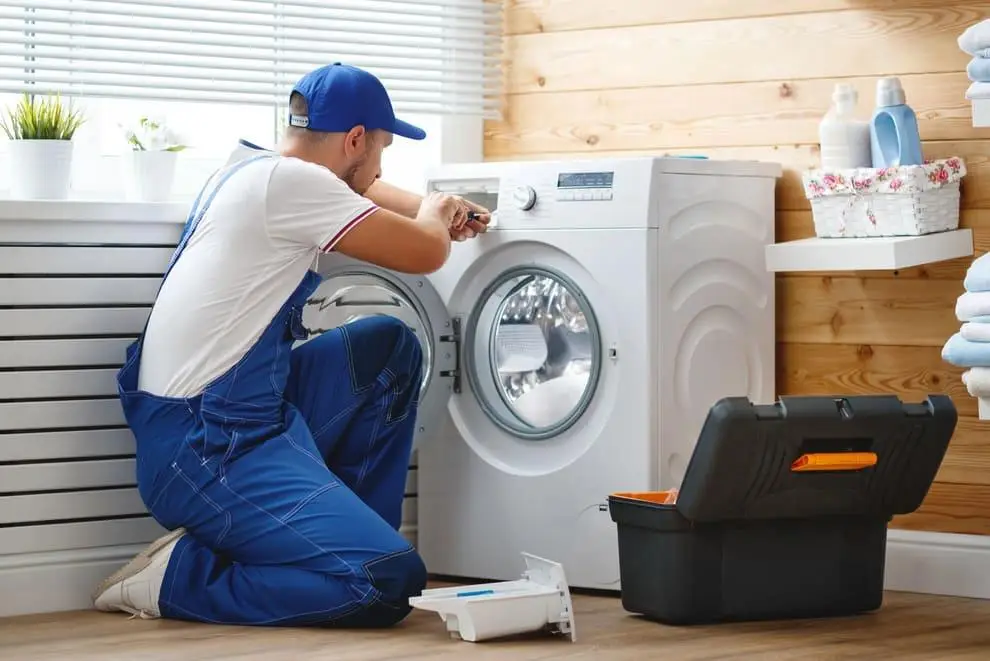
Some fixes are straightforward. Cleaning the lint trap, clearing a blocked vent, or reducing load size are steps any homeowner can take. However, diagnosing a failed thermostat, replacing a heating element, or correcting a venting installation requires proper tools and training.
Freedom Appliances provides thorough appliance repair Calgary diagnostics so the actual cause gets identified and fixed — not just masked temporarily. Attempting electrical repairs without experience risks injury and can void manufacturer warranties.
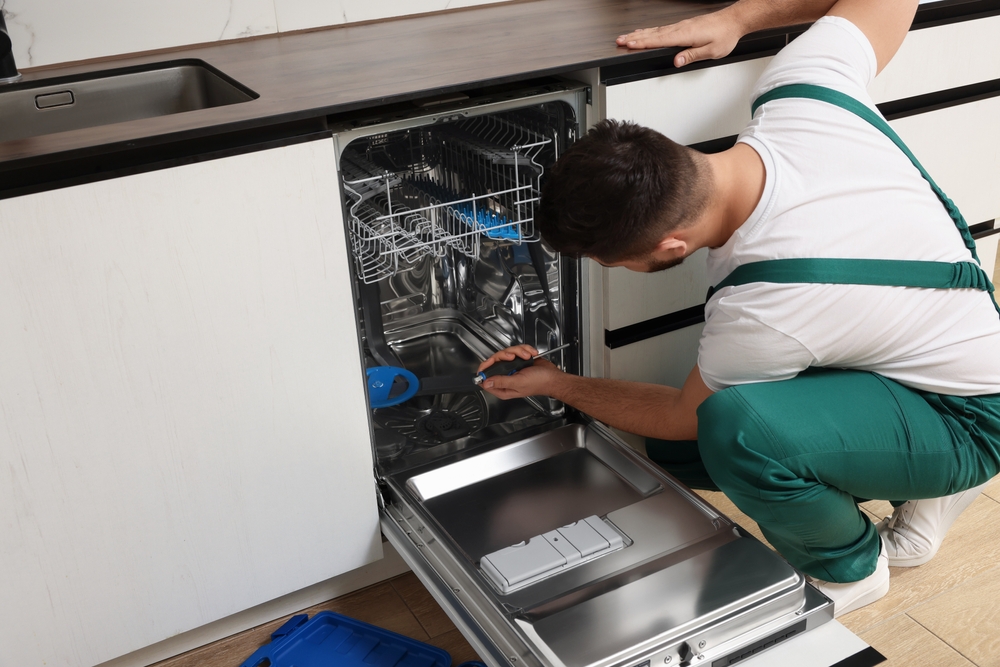
If your dryer is not the only appliance giving you trouble, the same overheating logic applies elsewhere. A cooktop repair Calgary technician will tell you that unregulated heat in any appliance signals a control or ventilation failure. The diagnostic process is similar across appliance types.
Preventive Maintenance Keeps Dryers Running Safely
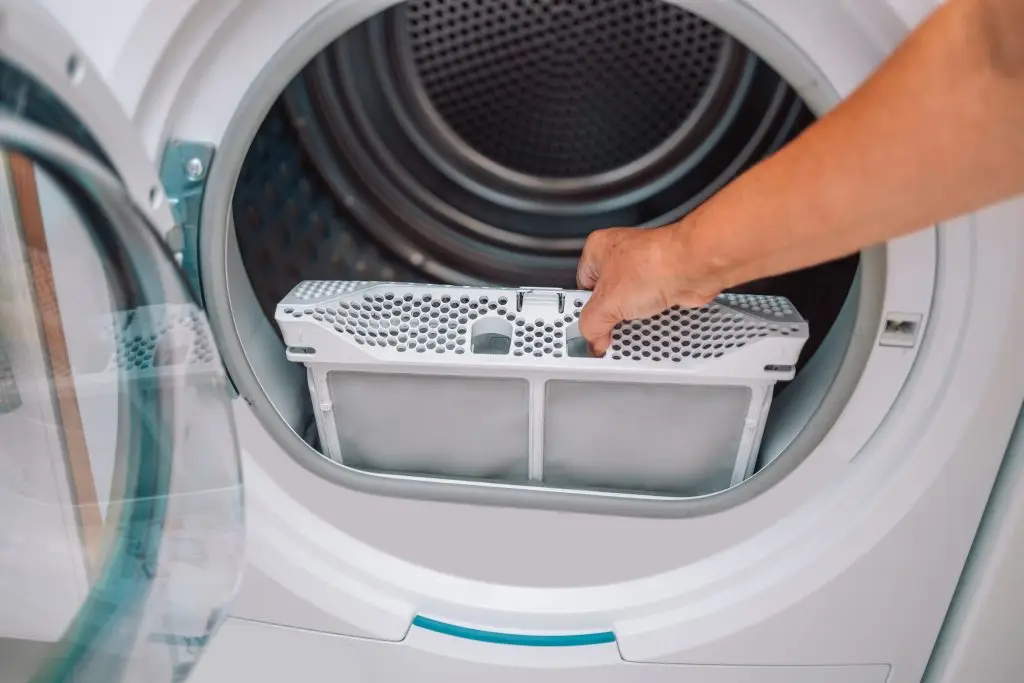
The best way to avoid overheating problems is consistent maintenance. Clean the lint screen after every load — not just weekly. Have your vent duct professionally cleaned once a year, or more often if you do laundry daily. Inspect the exterior vent cap seasonally to make sure it opens freely and has not been blocked by debris or animal nesting material.
Check the area around your dryer regularly. Avoid storing items directly against the unit, which restricts the airflow the cabinet needs to stay cool. Pull the dryer slightly away from the wall to ensure the exhaust duct is not compressed.
Freedom Appliances also recommends keeping records of your appliance service history. Knowing when a thermostat or belt was last replaced helps a technician spot patterns and anticipate failures before they become emergencies.
For households running commercial-grade equipment or operating food service appliances at home, similar principles apply. Proper ventilation and temperature regulation keep everything running efficiently — whether that is a residential dryer or a commercial fridge repair Calgary situation involving a unit running too warm.
Closing Thoughts
A dryer that feels too hot outside is telling you something important. The problem could be as simple as a clogged vent or as serious as a failing heating element — but either way, it deserves prompt attention. Acting quickly protects your home, extends the life of your appliance, and keeps energy costs under control.
Freedom Appliances is ready to help Calgary homeowners diagnose and resolve dryer overheating issues with professional, reliable service. Do not wait until a minor problem becomes a major repair or a safety risk. If your dryer feels too hot outside, call a qualified technician today.
Frequently Asked Questions
1. Is it normal for the outside of a dryer to feel warm? Yes, mild warmth on the exterior is normal. However, if the casing feels uncomfortably hot or too painful to touch briefly, that level of heat indicates a problem with airflow or internal temperature regulation.
2. How often should I clean my dryer vent? Most manufacturers and fire safety organizations recommend cleaning the full vent duct at least once per year. Households doing five or more loads per week should consider cleaning it every six months.
3. Can I repair a faulty dryer thermostat myself? Thermostats are accessible components, but replacing them correctly requires disassembling the dryer cabinet and working near electrical connections. Unless you have appliance repair experience, a licensed technician will complete the job more safely and accurately.
4. Will overloading my dryer cause permanent damage? Occasional overloading typically causes no lasting harm, but repeated overloading accelerates wear on the motor, drum bearings, and heating element. Over time, it leads to more frequent breakdowns and shorter appliance lifespan.
5. What should I do if my dryer smells like burning? Turn the dryer off immediately. A burning smell combined with an overheating exterior suggests lint ignition risk or an electrical fault. Do not resume use until a technician has inspected the unit.