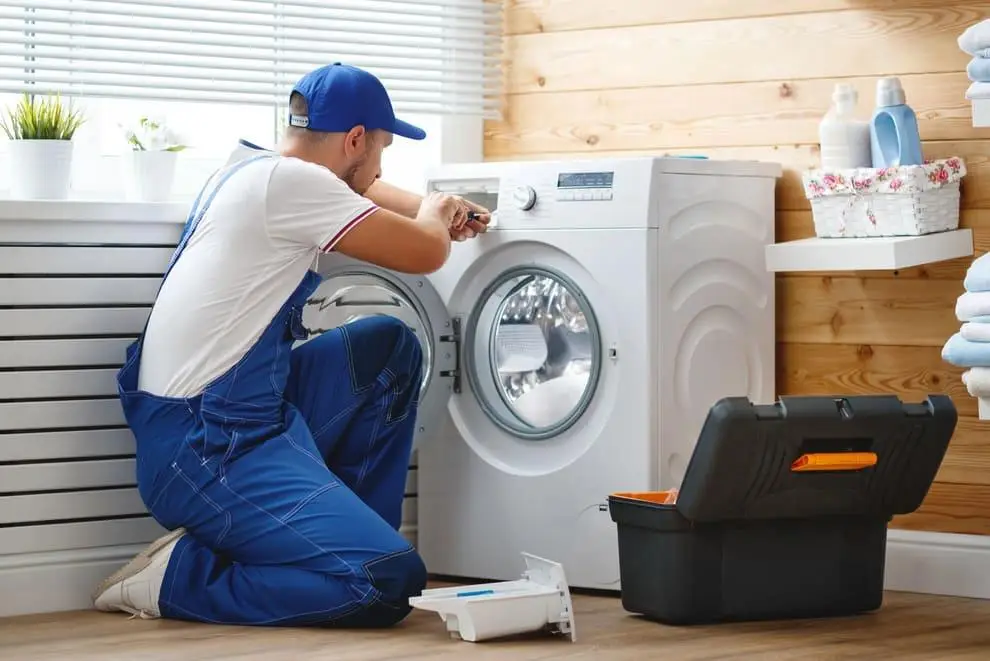
If your washing machine has started making sounds it never made before, pay attention. At Freedom Appliances, we hear from Calgary homeowners every week who ignored strange washer noises — and ended up with a much bigger repair bill as a result. Unusual washer noises are one of the clearest warning signs your appliance sends before something breaks down completely. Catching the problem early saves money, saves time, and keeps laundry day from turning into a disaster.
Why Strange Washer Noises Deserve Immediate Attention
Washing machines are hardworking appliances. They spin, fill, drain, and tumble load after load without much complaint. When something inside shifts, wears out, or breaks loose, the machine often signals the problem through sound. Banging, grinding, squealing, and rattling are not random quirks. Each noise pattern points to a specific issue inside the unit.
Ignoring these sounds is a mistake. A small bearing problem left unchecked can destroy a drum. A loose object rattling around a pump can crack the housing. What starts as a minor washer repair job can escalate into a full replacement if warning signs get dismissed.
Banging and Thumping During the Spin Cycle
A loud banging during the spin cycle is one of the most common complaints. Many homeowners assume the load is simply unbalanced. Sometimes it is. Redistributing clothes and running the cycle again often solves a one-time thump.
When banging happens consistently, the cause runs deeper. Worn drum bearings are a frequent culprit. These bearings support the inner drum as it spins at high speed. Once they degrade, the drum wobbles and strikes the outer cabinet. The sound is hard to miss — a rhythmic banging that gets louder as spin speed increases.
Shock absorbers and suspension springs can also fail. These components keep the drum steady during high-speed spin. Worn springs cause the drum to move excessively, creating heavy thumping against the machine’s frame. A technician can diagnose which component has failed and replace it before the drum itself sustains damage.
Grinding Sounds That Signal Internal Wear
Grinding is a serious noise. It usually means metal is contacting metal somewhere inside the machine. The most common cause is a worn drum bearing — the same bearing that causes banging when it first starts to go. As damage progresses, the grinding becomes constant and increasingly harsh.
A failing motor coupling can also produce grinding sounds in some washer models. The coupling connects the motor to the transmission. When it starts to break down, the motor strains to drive the drum, creating friction noise. This component is relatively inexpensive to replace when caught early.
Foreign objects trapped in the drum or pump create grinding and scraping sounds as well. Coins, buttons, and small hardware items get past pockets and end up inside the machine. If you hear grinding that started after a specific load, check the drum thoroughly and inspect the pump filter if your machine has an accessible one.
Squealing and High-Pitched Screeching
High-pitched squealing usually points to a worn belt or a failing motor bearing. Front-load washers use drive belts to transfer power from the motor to the drum. As belts age, they crack and fray. A worn belt squeals under tension, especially at the start of a spin cycle.
Motor bearings wear over time just like drum bearings. When motor bearings begin to fail, they produce a high-pitched screech that worsens with load and speed. Replacing motor bearings early prevents total motor failure, which is a far more expensive repair.
Squealing during the fill cycle can indicate a problem with the water inlet valve. The valve controls water flow into the machine. A partially blocked or failing valve sometimes produces a high-pitched whine as water forces through a restricted opening.
Rattling and Clanking During Operation
Rattling usually means something is loose. It could be as simple as a screw on the back panel or as serious as a broken drum baffle. Drum baffles are the plastic fins inside the drum that help tumble clothing. When they crack or break loose, they rattle and clank with every rotation.
Foreign objects remain a common cause of rattling. A single coin bouncing around the drum creates a constant clanking that sounds far worse than it is — but still needs to be removed before it damages the drum or blocks the pump. Objects that reach the pump can cause immediate blockages and stop the machine from draining.
Loose transport bolts left in after installation also cause violent rattling and banging. These bolts secure the drum during shipping and must be removed before first use. If your washer was recently installed or moved, check the back panel for any bolts that were not removed.
Humming and Buzzing That Won’t Stop
A gentle hum during operation is normal. A loud, persistent buzz is not. A buzzing sound during the drain cycle often points to a blocked or failing drain pump. The pump motor strains against the blockage, producing a loud hum or buzz.
A failing lid switch on top-load machines can create buzzing as well. The switch signals the machine to start spinning when the lid closes. When it starts to fail, it may buzz rather than function cleanly. This is a straightforward fix but needs prompt attention to avoid more electrical damage.
Electrical issues inside the control board can also produce buzzing. If the buzzing comes from the back panel or control area rather than the drum, the machine needs professional inspection right away. Electrical faults left unaddressed create safety risks beyond simple appliance failure.
When to Call a Professional
Some washer problems allow a brief period of monitoring. Most noise issues do not. Any noise that is new, getting louder, or affecting machine performance deserves a professional diagnosis without delay.
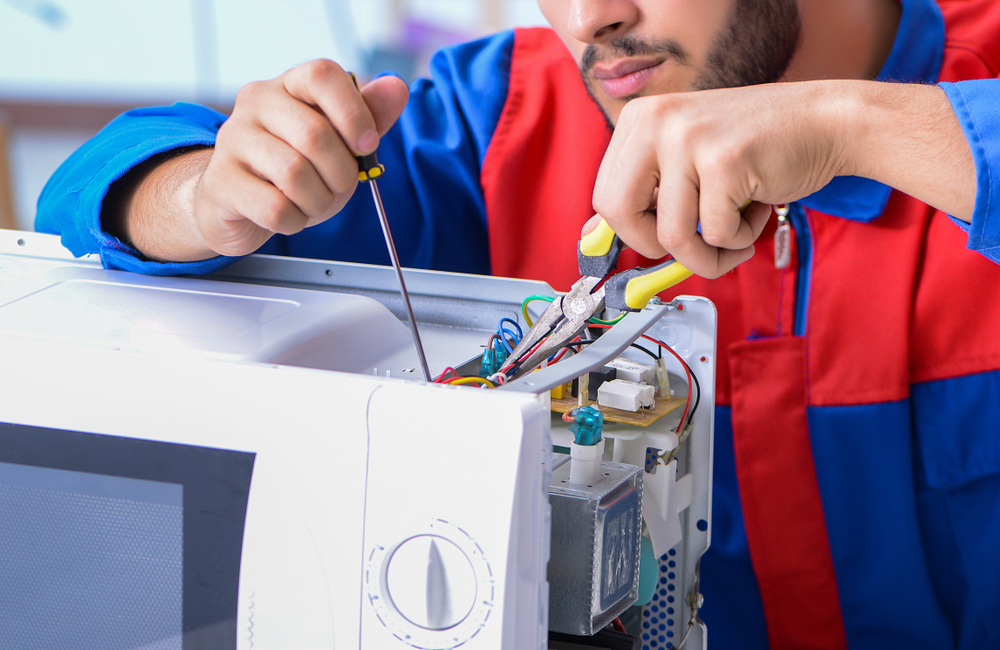
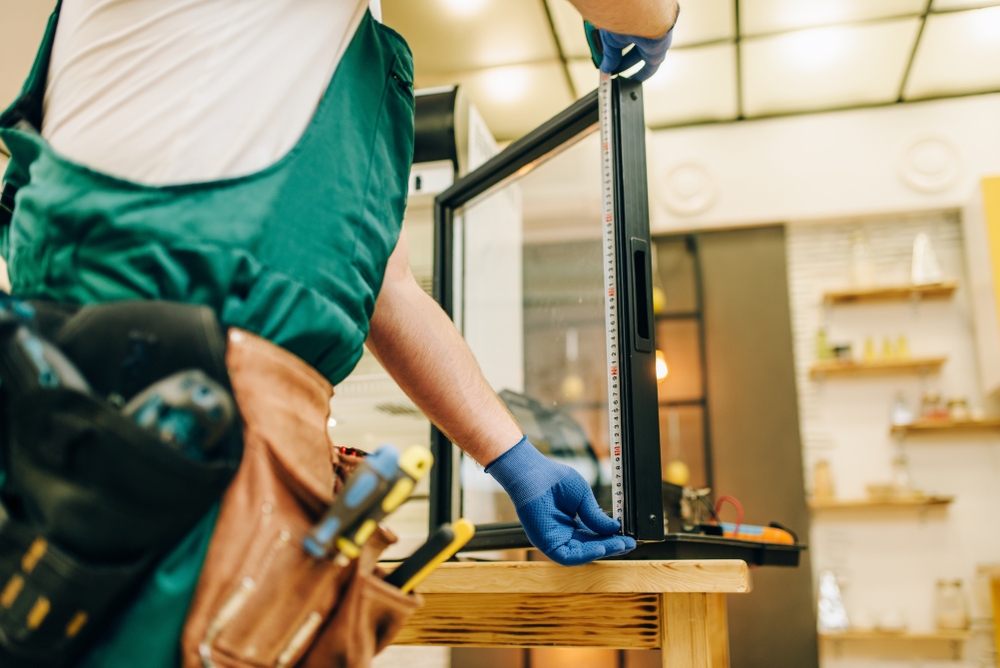
Freedom Appliances provides appliance repair in Calgary with technicians who diagnose washer problems accurately and fix them efficiently. Attempting DIY repairs on modern washing machines risks voiding warranties and creating new problems alongside the original one. Professional repair is almost always faster and safer than working through the problem without the right tools.
If you also use a dryer in your laundry setup, keep in mind that dryer repair follows many of the same principles — unusual sounds from dryers deserve the same immediate attention you would give a noisy washer.
The Cost of Waiting
Delaying a repair rarely saves money. A worn bearing that costs a few hundred dollars to replace early can destroy a drum worth significantly more. A blocked pump that gets cleared quickly costs far less than a pump housing cracked by prolonged obstruction.
Beyond the financial cost, a failing washer creates practical problems. Flooded laundry rooms, damaged flooring, and ruined clothing loads are all consequences of machines that failed because warning signs went unanswered.
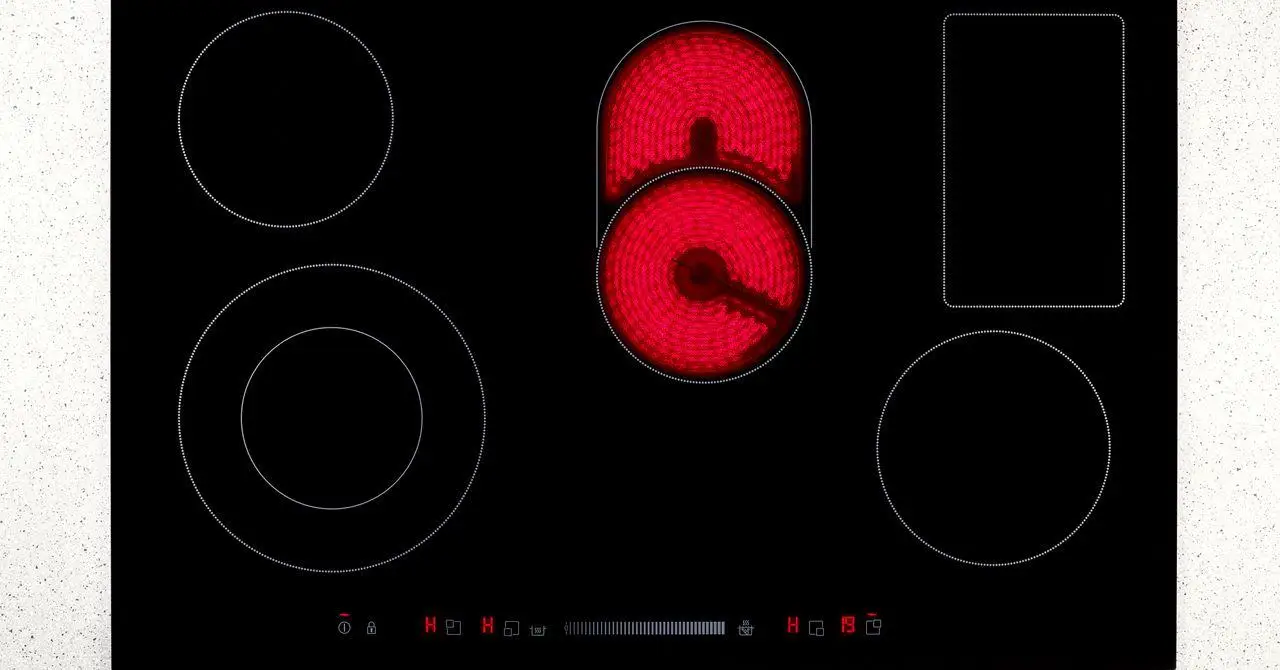
Freedom Appliances also services commercial kitchen equipment across Calgary. If you manage a food business and rely on refrigeration, our team handles commercial fridge repair with the same urgency we bring to residential appliance calls. Cooking equipment problems can also be addressed — our team covers cooktop repair for both residential and commercial clients.
Protect Your Appliance With Prompt Action
Washing machines work hard and last longer when problems get addressed early. Strange noises are not a reason to panic, but they are a reason to act. The sooner a technician inspects the machine, the better the odds of a fast, affordable fix.
If your washer is making sounds that concern you, do not wait for the next load to see if it gets better. Contact Freedom Appliances and get a diagnosis from technicians who understand Calgary appliances and the demands of Calgary households. Unusual washer noises are your machine asking for help — make sure you answer before the problem gets worse.
Frequently Asked Questions
Is it safe to keep using my washer if it’s making a noise? It depends on the noise. A single thump from an unbalanced load is usually safe to monitor. Grinding, loud banging, or buzzing during operation can signal damage that worsens with every cycle. Stop using the machine and call a technician if the noise is new, persistent, or getting louder.
What causes a washing machine to bang loudly during the spin cycle? Loud banging during spin most often points to worn drum bearings, failed shock absorbers, or broken suspension springs. These components stabilize the drum at high speed. When they degrade, the drum shifts and strikes the cabinet. A technician can identify which part has failed and replace it.
Can I fix a noisy washing machine myself? Simple causes like an unbalanced load or a foreign object in the drum are easy to address without professional help. Internal component failures — bearings, pumps, motor parts, and belts — require proper tools and technical knowledge. Incorrect DIY repairs often create additional damage and may void your appliance warranty.
How much does it cost to repair a noisy washer in Calgary? Repair costs vary by the component involved and the machine model. Minor fixes like pump cleaning or belt replacement cost less than major jobs like drum bearing replacement. Getting a professional diagnosis early typically results in a lower total repair cost than waiting for the problem to escalate.
How long does a washing machine repair usually take? Most washing machine repairs are completed in a single visit once the technician diagnoses the issue and has the necessary parts. Complex repairs or uncommon parts may require a follow-up appointment. Booking promptly after noticing a problem reduces downtime and keeps your laundry schedule on track.