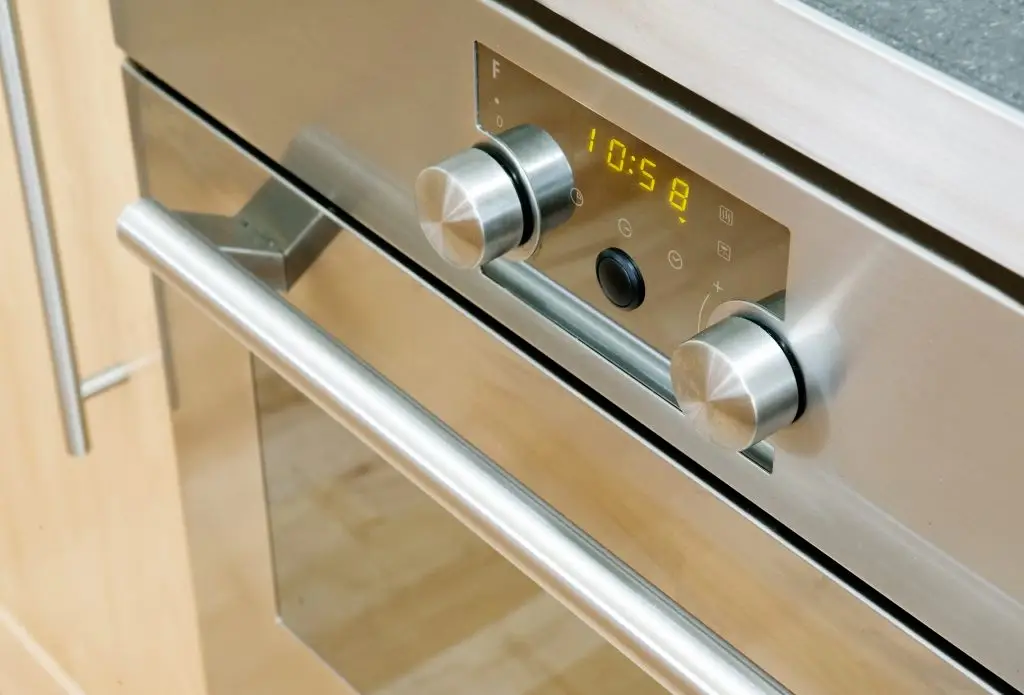
Your oven’s display reads 375°F. You set the timer, put the roast in, and follow the recipe exactly. But the results come out undercooked, overcooked, or unevenly browned — every single time. You adjust. You compensate. You start adding 15 minutes to every recipe as a matter of habit. What you may not realize is that an inaccurate oven temperature is not just a cooking inconvenience. It carries real costs that most homeowners do not think to add up.
Why Oven Temperatures Drift
Ovens do not maintain a perfectly constant temperature. They cycle — the heating element turns on to bring the oven up to temperature, then turns off while the oven holds heat, then fires again when the temperature drops below a set threshold. This cycling is normal. What is not normal is when the oven overshoots or undershoots that target temperature by a significant margin, or when it fails to reach the set temperature at all.
Several components control oven temperature accuracy:
The Temperature Sensor
In electric ovens, a temperature sensor (also called a probe or RTD sensor) monitors the internal temperature and communicates with the control board. When this sensor drifts or develops a fault, the control board receives inaccurate readings and commands the heating element accordingly. A faulty sensor can cause the oven to run 25°C to 50°C hotter or cooler than the set temperature — sometimes more.
The Thermostat or Control Board
In gas ovens, a thermostat controls the gas valve in response to temperature. In modern electric ovens, the control board handles this function. When either component ages or develops a fault, temperature regulation becomes inconsistent. The oven may maintain a temperature far above or below what the display shows.
The Heating Element (Electric Ovens)
A failing bake element or broil element does not always fail completely — it can develop partial failures that reduce its heat output unevenly. You may notice that one side of a baking tray browns faster than the other, or that the bottom of baked goods burns while the top stays pale. Visible signs include cracks, blistering, or dark spots on the element itself.
Igniter Issues (Gas Ovens)
In a gas oven, a weak igniter causes slow and inconsistent heating. The igniter must reach a high enough temperature to open the gas valve. When it weakens, the valve opens slowly or partially, delivering less gas and therefore less heat than the oven needs to reach and hold the set temperature.
What an Off-Temperature Oven Actually Costs You
Wasted Food and Ingredients
An oven running 30°C to 50°C off can ruin expensive cuts of meat, collapse baked goods, or produce undercooked meals that pose food safety risks. Over the course of a year, a household that cooks four to five times per week can waste significant money on ingredients that don’t produce usable results — or meals they need to replace.
Higher Energy Bills
An oven that cannot hold its temperature accurately runs its heating elements or burner longer than necessary. If the oven undershoots and keeps cycling to compensate, it draws more power per cooking session. Over months, that adds up on your energy bill — often without any obvious sign that the appliance is the cause.
Wear on Other Components
An oven working harder than it should stresses the control board, the heating element, and in gas models, the igniter and valve. Catching a temperature fault early with proper oven and stove repair prevents a cascade of secondary failures that cost considerably more to fix.
How to Check If Your Oven Temperature Is Accurate
The simplest test: buy a standalone oven thermometer from a kitchen or hardware store for under $15. Preheat your oven to 350°F, let it stabilize for 20 minutes, and check the thermometer reading. A variance of plus or minus 10°F is within normal range for most ovens. A variance of 25°F or more warrants professional assessment.
If the temperature is consistently off in one direction — always running hot or always running cold — the sensor or thermostat is the most likely cause. Freedom Appliances technicians check both during an oven and stove repair diagnostic visit and can replace the faulty component during the same appointment in most cases.
When Freedom Appliances Gets Involved
The $49 diagnostic fee covers the technician’s visit and a full assessment of the temperature control system. If the fix requires a sensor, element, or thermostat replacement, Freedom Appliances uses factory parts and backs the labour with a warranty. The same technicians who handle oven faults also manage fridge repair, washer repair service, dryer repair, and dishwasher repair — so if multiple appliances need attention, one call covers everything.
Do not let a small temperature drift become an expensive habit. An accurate oven is safer, more economical, and far less frustrating to cook with.
FAQs
Q: My oven runs about 25°F hot. Can I just compensate by lowering the set temperature? A: You can compensate short term, but the underlying fault will worsen over time. Some ovens allow a calibration offset in the settings menu — check your manual. For a permanent fix, a technician needs to replace the faulty sensor or thermostat.
Q: How do I know if my oven heating element is failing? A: Look for visible damage like cracks, blistering, or dark spots. Uneven browning across a baking sheet is another common sign. A complete failure means the oven produces no heat at all from that element.
Q: Does Freedom Appliances repair both gas and electric ovens? A: Yes. Freedom Appliances services all major gas and electric oven brands and carries common replacement parts on the service vehicle.
Q: Is a temperature-inaccurate oven a safety risk? A: In most cases it is an efficiency and food-quality issue rather than an immediate safety risk. However, gas ovens with igniter faults can sometimes allow gas to accumulate briefly before ignition, which warrants prompt professional attention.
Q: How long does an oven temperature sensor repair typically take? A: Sensor and thermostat replacements are usually completed within the same service visit. More complex control board replacements may require ordering a part, but most common models have parts available quickly.