If you are dealing with a fridge ice maker not working, Freedom Appliances in Calgary can help you find the real cause. Most ice maker failures trace back to a short list of problems: a frozen fill line, a weak water supply, a worn inlet valve or a freezer that runs too warm. This guide walks you through each one in plain language. You will learn what to check at home, what the symptoms mean and when a technician should take over.
How an Ice Maker Works and How It Fails
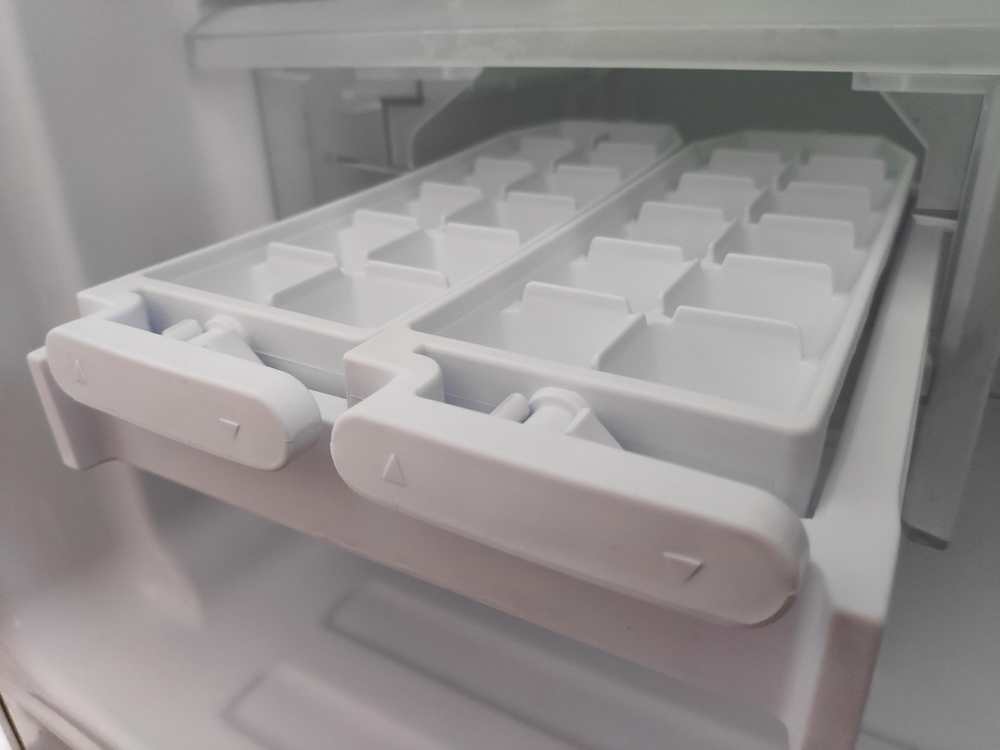
An ice maker is a small machine with a clear routine. Water enters through an inlet valve, fills a mould, freezes, and then a heater or motor releases the cubes into a bin. A sensor arm or electronic eye tells the unit when the bin is full.
Each step depends on the one before it. If the freezer is too warm, the water never freezes in time. If the valve is weak, the mould never fills. Knowing this sequence helps you narrow down the fault quickly.
Most home ice makers need a freezer temperature near -18°C to produce cubes on schedule. A freezer that drifts several degrees warmer often slows production or stops it. That is why a fridge ice maker not working is sometimes a cooling problem in disguise.
Common Signs Your Ice Maker Needs Attention
Ice makers rarely fail without warning. They usually show small signs first, and these signs point toward the fault. Watch for any of the following before the unit stops completely:
- Cubes that are small, hollow or oddly shaped
- Ice that tastes stale or smells like food
- A bin that stays empty for a day or longer
- Clumped ice that fuses into a single block
- Water pooling near the ice maker or on the freezer floor
Take note of when the change began. A sudden stop often means a failed part or a frozen line. A slow decline over weeks usually points to a clogged filter or a failing valve.
Quick Checks You Can Do Before Calling
Start with the easy items. Many people find the answer in under ten minutes.
First, confirm the ice maker is switched on. The wire arm should sit in the down position, or the control panel should show the feature as active. Bumped arms and accidental button presses are surprisingly common causes.
Second, look at the freezer temperature. Place a thermometer inside for several hours and compare the reading with -18°C. If the freezer is warm, address that first, because no ice maker can work in a warm freezer.
Third, check the bin. A jammed cube or a tilted bin can block the sensor and fool the machine into thinking it is full. Empty the bin, wipe it dry and slide it back firmly.
Fridge Ice Maker Not Working: Likely Causes and Fixes
The table below matches common symptoms to their likely causes. It also shows what a technician typically does about each one.
| Symptom | Likely cause | What a technician does |
|---|---|---|
| No ice at all | Failed inlet valve or no water supply | Tests valve voltage and water flow, then replaces the valve |
| Small or hollow cubes | Partly frozen fill tube or weak water pressure | Clears the tube and checks supply pressure |
| Cubes taste or smell off | Old filter or stored food odours | Replaces the filter and cleans the bin |
| Ice stuck in one block | Melt and refreeze cycles from door gaps or warm air | Checks door seals and the defrost system |
| Mould never empties | Faulty heater or motor module | Tests the module and replaces it if it fails |
| Water leaks near the unit | Cracked fill line or loose fitting | Replaces the line and seals the fitting |
Every one of these faults is repairable. The key is to confirm the cause before buying parts, because the same symptom can come from different failures.
Water Supply and Filter Problems
The water line is the most common weak point. A kinked line behind the fridge limits flow, and a clogged filter does the same. Cold Calgary winters can also freeze a fill tube if the fridge sits against an exterior wall.
Replace the water filter on the schedule your manufacturer recommends, which is often every six months. A filter that has gone far past its limit can restrict flow enough to produce tiny cubes or none at all.
Inlet Valve and Control Failures
The inlet valve is an electric part that opens when the ice maker calls for water. Mineral buildup from hard water can leave it stuck partly closed. When that happens, the mould fills with only a trickle, and the cubes come out thin and hollow.
A technician checks the valve with a multimeter and confirms whether it receives power. If power arrives but no water flows, the valve is the fault. If power never arrives, the control module or wiring needs attention.
When a Fridge Ice Maker Not Working Is Really a Freezer Problem
Sometimes the ice maker is fine and the freezer is the culprit. A failed defrost heater, a weak evaporator fan or a worn door gasket can all lift the freezer temperature. The result is slow, soft or missing ice.
Look for frost on the back wall of the freezer. A thick frost layer suggests the defrost system has failed. You may also notice that food in the main fridge section is warmer than usual.
If this sounds familiar, read our guide on why a fridge runs constantly to see how related cooling faults develop. Fixing the cooling fault usually cures a fridge ice maker not working without touching the ice maker itself. It usually restores ice production.
Safe DIY Steps and When to Stop
You can safely do a few things at home. Unplug the fridge first, then you may clear visible ice around the fill tube, straighten a kinked line and replace the filter. A hair dryer on a low setting can thaw a frozen tube gently.
Stop there. Do not chip at ice with a knife or screwdriver, because a puncture in the evaporator can release refrigerant and ruin the freezer. Do not open electrical housings or bypass a valve either.
Hire a technician for any of these situations:
- Water leaks that return after you dry them
- A valve or module that tests faulty
- A freezer that stays warm after a full defrost
- Error codes or clicking sounds from the cabinet
Our refrigerator service page explains how a visit works. A thorough diagnostic visit tests each stage of the ice cycle in turn, so the right part gets replaced the first time.
Keeping Your Ice Maker Healthy Longer
A little routine care prevents most failures. Replace the filter on schedule, and keep the fridge away from direct heat. Leave a few centimetres of space behind the cabinet so the water line does not kink.
Empty and wash the ice bin every few months. Use warm water and mild soap, and dry it fully before returning it. This removes stale odours and stops cubes from sticking together.
Check the door seals as well. A gasket that no longer closes tightly lets warm air in, which causes frost and clumped ice. Energy efficiency guidance from ENERGY STAR on refrigerators also recommends tight seals and sensible temperature settings.
Frequently Asked Questions
How long should an ice maker take to make a batch of ice?
Most units complete a cycle in roughly 90 minutes to three hours, depending on the freezer temperature. A much longer cycle usually points to a warm freezer or weak water flow.
Why does my ice maker make ice but the cubes are tiny?
Tiny cubes usually mean the mould is not filling completely. A partly frozen fill tube, a clogged filter or a tired inlet valve are the usual reasons.
Can I keep using my fridge if only the ice maker has failed?
In most cases, yes. If the main fridge and freezer still hold their temperature, you can switch the ice maker off and book a repair when convenient. Turn off the water supply to the unit if it is leaking.
Is it worth repairing an ice maker?
It depends on the fridge’s age and condition. A technician can assess the fault and give an honest quote after the diagnosis, so you can decide with real information.
Contact Freedom Appliances in Calgary
If your ice maker has stopped and the quick checks did not help, our team is ready to look at it. Call us at (403) 889-6068 to book a visit.
- Address: 12447 17 St SW, Calgary, AB
- Hours: Monday to Friday 8:00 AM to 8:00 PM, Saturday 9:00 AM to 5:00 PM, Sunday closed