A clogged dryer vent is one of the most common hidden problems that Freedom Appliances sees in Calgary homes. Lint, bird nests and crushed ducting restrict airflow, so the dryer runs hotter and takes longer to finish each load. The same restriction raises the risk of overheating and fire. This guide explains the warning signs, how to check your vent safely and when a technician should step in.
Why Dryer Vents Clog and How to Spot It
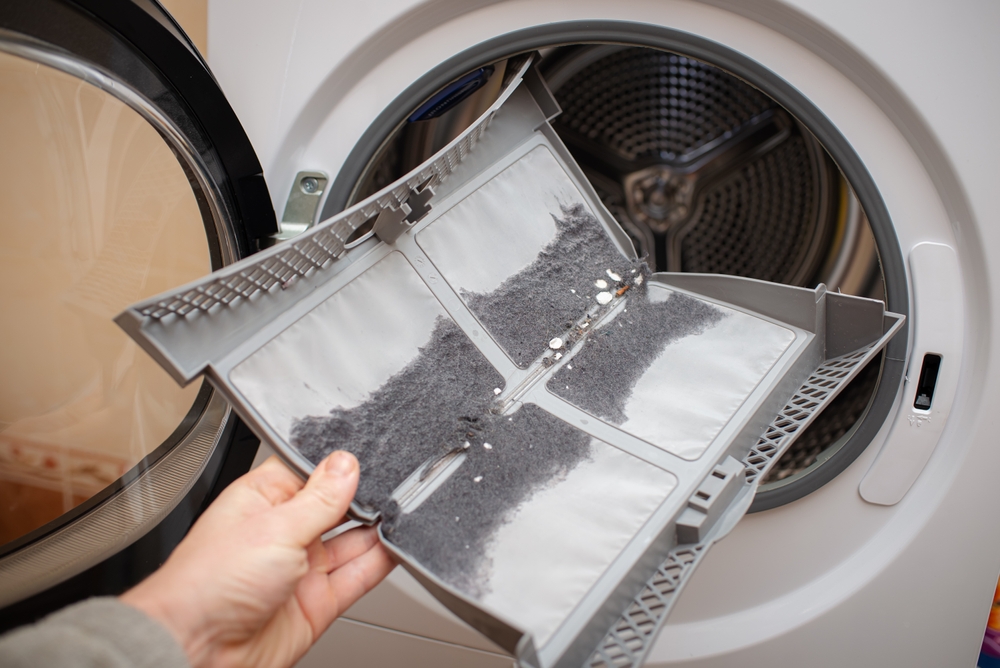
A dryer moves a lot of warm, moist air. That air carries fine lint through the vent duct on its way outside. The lint screen catches most of it, but some always escapes.
Over months, that escaped lint settles inside the duct. Long runs, sharp bends and flexible foil ducting make the problem worse because lint snags on every ridge. A vent that exits through a roof or an upper wall also fights gravity.
Winter adds a second issue in Calgary. Cold outdoor air can condense moisture inside the duct, and the damp lint packs into a dense mat. A stuck exterior flap makes things worse by trapping that moisture indoors.
Warning Signs of a Clogged Dryer Vent
The dryer usually tells you something is wrong well before the vent blocks completely. Watch for these signals:
- Clothes still damp after a full cycle
- A second cycle needed for towels or jeans
- The top of the dryer or the laundry room feels unusually hot
- A burning or musty smell during drying
- Lint collecting around the vent hood outside
- The exterior flap barely moves while the dryer runs
Any one of these deserves attention. Two or more together almost always point to restricted airflow. If you also notice a burning smell, stop using the dryer and unplug it until the vent is inspected.
How to Test for a Clogged Dryer Vent at Home
You can run a simple airflow test in a few minutes. Start by running the dryer on a high heat setting with an empty drum. Walk outside and hold your hand near the exterior vent hood.
Strong, steady airflow means the duct is likely clear. Weak air or none at all suggests a blockage somewhere along the run. Also check that the flap opens fully and closes again when the dryer stops.
Next, unplug the dryer and pull it away from the wall. Disconnect the duct at the back and look inside both ends with a torch. Visible lint, a crushed section or a kinked bend confirms the problem.
Check the Ducting Material
Look at what the duct is made from. Rigid or semi-rigid metal ducting moves air smoothly and resists crushing. White vinyl or thin foil ducting sags, traps lint and can burn more easily.
If your dryer connects with plastic or foil, plan to replace it with metal ducting. Keep the run as short and straight as the layout allows. Every extra bend adds resistance.
Clogged Dryer Vent Causes, Symptoms and Fixes
This table links common patterns to what is usually happening inside the duct. It also shows the fix that follows.
| What you notice | Likely cause | Usual fix |
|---|---|---|
| Damp clothes after one cycle | Lint packed in the main duct run | Clear the duct with a vent brush kit |
| Hot laundry room and hot dryer top | Airflow blocked near the outlet | Clean the exterior hood and flap |
| Burning smell | Lint touching the heating element or overheated duct | Stop use, clear the duct and inspect the dryer |
| Exterior flap stays shut | Stuck flap or nest inside the hood | Remove the debris and free the flap |
| Water or lint stains on the wall | Loose joint or leaking duct | Reseal or replace the damaged section |
| Dryer shuts off mid-cycle | Thermal cut-out tripping from heat | Clear the vent and test the thermostat |
A thermal cut-out that trips repeatedly is a safety feature doing its job. Do not bypass it. The real fix is to remove the restriction that causes the heat.
Safe Steps to Clear the Vent Yourself
If the duct is short and easy to reach, you can clean it yourself. Gather a vent brush kit, a vacuum with a hose and a pair of gloves. Always unplug the dryer first, and for a gas dryer, close the gas valve.
Disconnect the duct from the dryer and the wall. Push the brush through from both ends, then vacuum out the loose lint. Wipe the lint screen housing and the dryer’s rear outlet while you are there.
Reconnect everything with metal clamps rather than tape or screws that protrude into the duct. Screws catch lint and start a new clog. Finally, run the dryer for ten minutes and confirm that strong air leaves the exterior hood.
When a Technician Should Take Over
Some situations need professional help. A long duct through a wall or ceiling is hard to clean without the right tools. A vent that exits at roof height also carries a fall risk.
Call a technician if the dryer still runs hot after cleaning. A blocked vent can damage the heating element, the thermal fuse or the drum seals. These parts need testing before you rely on the dryer again.
Our dryer repair service covers heating, airflow and safety checks. You can also read what to check before calling for a dryer repair to rule out simple causes first. If the dryer smells odd, our article on hidden causes of dryer odours explains what else might be going on.
Building a Simple Vent Maintenance Routine
Prevention is easier than repair. Clean the lint screen after every load, and wash it with soapy water twice a year. Fabric softener sheets leave a film that blocks the mesh, so the screen looks clean while it still restricts air.
Inspect the exterior hood each season. Remove nests, leaves and snow, and confirm the flap moves freely. Pull the dryer out once a year to check the connection behind it.
Fire safety groups such as the National Fire Protection Association advise homeowners to keep dryers and vents free of lint. A short annual routine goes a long way. Many households find that an annual duct cleaning is enough, while larger families may need it more often.
Frequently Asked Questions
How often should I clean my dryer vent?
Most households benefit from a full duct cleaning about once a year. Large families, pet owners and homes with long vent runs may need it sooner.
Can a clogged dryer vent damage the dryer?
Yes. Trapped heat wears out the heating element, the thermostats and the drum seals faster. It can also trip the thermal fuse and leave the dryer without heat.
Is the lint screen enough to prevent a clog?
No. The screen catches most lint, but fine fibres still pass through. Over time they build up inside the duct, so the duct needs its own cleaning.
What should I do if I smell burning from the dryer?
Stop the cycle, unplug the dryer and keep the area clear. Do not use it again until the vent and the dryer have been inspected.
Contact Freedom Appliances in Calgary
If your dryer takes too long or runs hot, we can inspect it and explain what we find. Call us at (403) 889-6068 to arrange a visit.
- Address: 12447 17 St SW, Calgary, AB
- Hours: Monday to Friday 8:00 AM to 8:00 PM, Saturday 9:00 AM to 5:00 PM, Sunday closed