
Pet hair collects faster than we realize. It sticks to clothes, fills corners, and floats into unexpected spaces. Inside appliances, it becomes more than a minor mess. It blocks airflow, clogs filters, and coats sensors. Over time, this buildup causes performance issues, shortens lifespan, and can even lead to safety concerns. We often don’t notice the damage until something breaks.
Understanding how pet hair moves through your home helps prevent this hidden wear. Most homeowners in Calgary already vacuum regularly, but they rarely think about what collects inside machines. Before calling for appliance repair in Calgary, it’s smart to know how pet fur gets in, what problems it causes, and how to stop it. Every appliance handles air, moisture, and debris differently. That means each one needs its own care when pets are part of the family.
How Pet Hair Gets Inside Laundry Machines
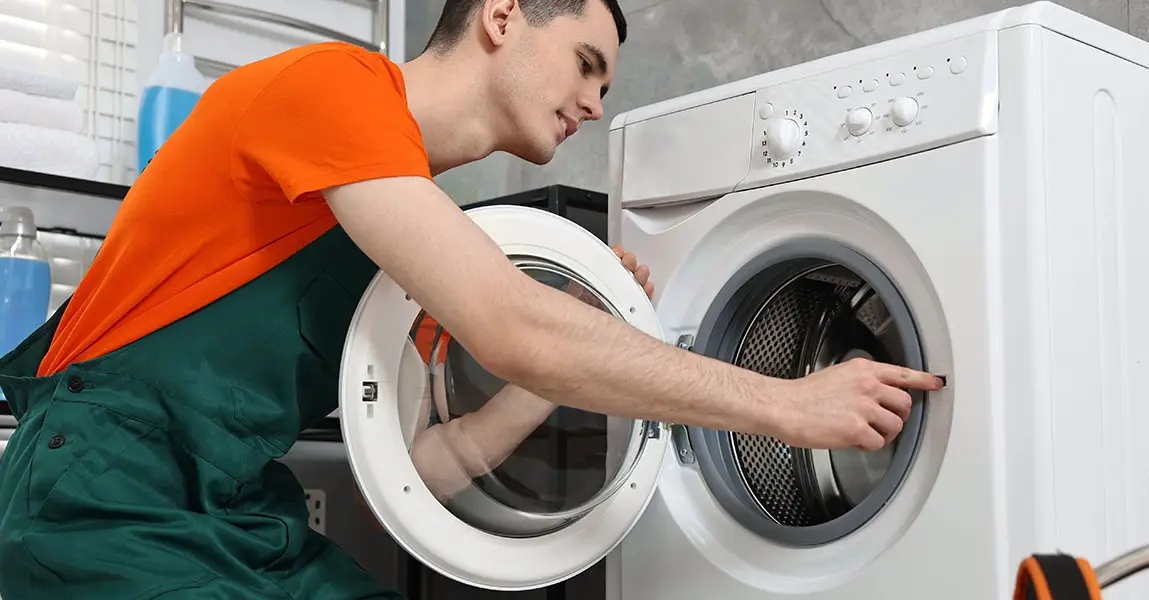
Front-load washers and dryers pull air and water through tight channels. Pet hair finds its way into these spaces easily. When we wash bedding, rugs, or clothing that pets use often, fur detaches and floats in with the water. It sticks to the inner drum, clings to the door gasket, and settles in the drain pump. Dryers face the same issue. Air circulation pulls loose hair through lint screens and into the exhaust duct.
Over time, hair builds up in places we can’t reach. It traps moisture in the washer and blocks airflow in the dryer. This slows down drying cycles, leads to musty smells, and forces motors to work harder. The lint trap may still look clean, but hidden hair lowers efficiency. We see many cases where a dryer overheats or a washer won’t drain, all because of unnoticed buildup.
Regularly wiping the drum, cleaning gaskets, and vacuuming vent ducts helps a lot. For heavy shedders, running a rinse cycle after washing pet laundry can flush out extra hair. We also suggest checking your washer and dryer performance if drying times suddenly increase. It’s one of the first signs there’s a blockage forming inside.
To see how professional dryer cleaning can help restore airflow, check this service for dryer repair in Calgary. It’s often faster and more affordable to clear a clog before it causes permanent damage.
How Hair Affects Refrigerators and Freezers
Hair clings to static and airflow, especially around cooling coils and fans. Most fridges have a condenser fan behind or underneath the unit. This fan pulls room air across coils to keep internal temperatures low. Unfortunately, pet hair collects on the grille and sticks to the fan blades. As buildup grows, the fan slows down or stops working entirely. This causes poor cooling and extra strain on the compressor.
We’ve seen cases where clogged coils raise the inside temperature without triggering any obvious alarm. Food spoils, ice melts, and homeowners often think something is wrong with the thermostat. But in reality, a vacuum and brush could have prevented the issue. Fur traps heat and dust, especially on older fridges that don’t have sealed compartments around the coils.
Make sure the rear or base panel stays clean. Use a coil cleaning brush and vacuum every few months. For households with long-haired pets, doing this monthly makes a noticeable difference. If the fridge feels warmer than usual or runs constantly, it’s time to look behind it.
For more tips on maintaining cooling systems, see this guide to Calgary refrigerator repair services. Proper airflow keeps energy use down and food fresh longer.
Why Vacuums and Air Purifiers Struggle
Pet owners rely on vacuums and purifiers more than most. But ironically, these machines are also the first to clog with fur. Vacuums fill faster when homes have shedding pets. Hairs wrap around rollers, block filters, and overwork the motor. Suction weakens slowly, and we may not notice until the vacuum smells hot or sounds louder. Even bagless models suffer from buildup in the cyclones or HEPA filters.
Air purifiers face a similar challenge. Their pre-filters catch hair early, but fine strands still pass through. Over time, these clog the main filters and reduce airflow. We’ve seen machines that look clean outside but barely move air. That leads to poor circulation, more dust, and stale air in the home.
Cleaning the roller brush weekly and replacing filters often extends vacuum life. If the machine has a strong odor, it likely has hair inside the motor housing. In that case, a deep cleaning or motor reset may be needed. Check your manual or consider a tune-up if performance drops.
Purifiers should run with clean filters year-round. Use models with washable pre-filters when possible. These handle pet hair better and reduce how often you need full replacements.
Heating and Cooling Units Can Overheat
Pet hair floats through vents and settles inside HVAC systems. It builds on furnace filters, blower fans, and intake vents. As a result, airflow drops and heaters or air conditioners work harder. This can lead to overheating, reduced comfort, and higher energy bills. In severe cases, hair inside the blower housing can even pose a fire risk.
Dirty filters are the most common source of heating and cooling issues in homes with pets. Filters get clogged quicker and lose their ability to trap fine particles. That means more fur slips through and collects inside the ductwork. When a furnace smells dusty or a vent blows weak air, pet hair is often the cause.
Changing filters monthly helps maintain safe airflow. Choose filters rated for pet dander or fine debris. For homes with central air, we also suggest inspecting floor vents for trapped fur. Brushing these out regularly prevents hair from cycling through the system.
If you notice unusual smells or uneven temperatures, it might be time for a professional checkup. Many heating issues we see relate directly to blocked airflow from unnoticed debris.
Small Appliances Also Collect Fur
Blenders, fans, toasters, and coffee machines aren’t immune. These smaller appliances sit on counters and attract fur through static or air movement. Fans pull it into motors, while blenders and toasters collect it through cracks and seams. Even a sealed coffee maker can develop buildup around vents or near heating elements.
This hair acts as insulation and raises internal temperatures. Motors wear out sooner, and electronics fail from trapped heat. Cleaning these items sounds simple but often gets overlooked. We recommend wiping the outsides weekly and using compressed air or soft brushes to reach vents.
For appliances with visible fans, unplug them and clean the blades gently. Avoid forcing tools into small openings. If your small devices have stopped working well, pet hair may be part of the cause. It doesn’t take much to lower efficiency or trigger a fault.
To keep your home running smoothly, check how each machine handles airflow. When you know where hair collects, it becomes easier to stop the damage early.
What You Can Do Between Service Calls
We don’t need to wait until something breaks to act. Most pet-related appliance issues start slow. Regular maintenance cuts down on repair calls and keeps appliances working longer. Simple steps like brushing pets outdoors, using lint rollers, and choosing better filters all help.
Vacuuming baseboards, vents, and behind machines keeps fur from collecting in quiet corners. Running a rinse cycle after pet laundry and cleaning lint traps after every dryer use prevents blockages. Even placing an air purifier near litter boxes or pet beds reduces how much hair spreads.
We also recommend checking machines monthly for signs of wear. If you hear unusual sounds, smell hot plastic, or see signs of overheating, those are early warnings. Don’t ignore them.
For more detailed advice on maintaining machines in a pet-friendly home, our appliance repair in Calgary page shares common causes and solutions. Staying ahead of issues saves time, money, and frustration later.
Need Help with a Hair-Covered Appliance?
If you’ve already cleaned the vents and checked the filters but something still isn’t right, it may be time to get support. Some blockages hide deep in ducts or inside motors where DIY tools can’t reach. That’s where trained service can make a big difference.
Our team works with homeowners who share space with pets every day. We’ve seen the slow buildup of fur cause heating issues, noisy motors, and dryer fires. When your machines no longer work like they used to, or when smells and noises suggest deeper issues, don’t wait.
We’ll walk through your issue step by step, explain what’s wrong, and offer options before starting any work. If your appliances feel like they’re working harder than usual, don’t hesitate to get in touch with Freedom Appliances today. Let’s stop the hair before it becomes a headache.
FAQs
How do I know if pet hair is causing appliance problems?
Watch for reduced performance, longer cycles, overheating, or musty smells. These signs often point to trapped hair or blocked airflow.
What appliances are most affected by pet fur?
Dryers, washers, refrigerators, vacuums, and air purifiers are the top ones. Hair clogs filters, ducts, and fans in each of these.
Can pet hair damage appliances permanently?
Yes, over time it causes overheating or burns out motors. Catching buildup early prevents serious issues and protects your machines.
How often should I clean appliances if I have pets?
Check machines monthly and clean lint traps after every use. Vacuum coils, vents, and filters every one to two months depending on shedding.
Should I replace filters more often in a pet-friendly home?
Absolutely. Pet hair and dander fill filters faster. Using high-quality filters and replacing them regularly helps keep airflow safe and clean.