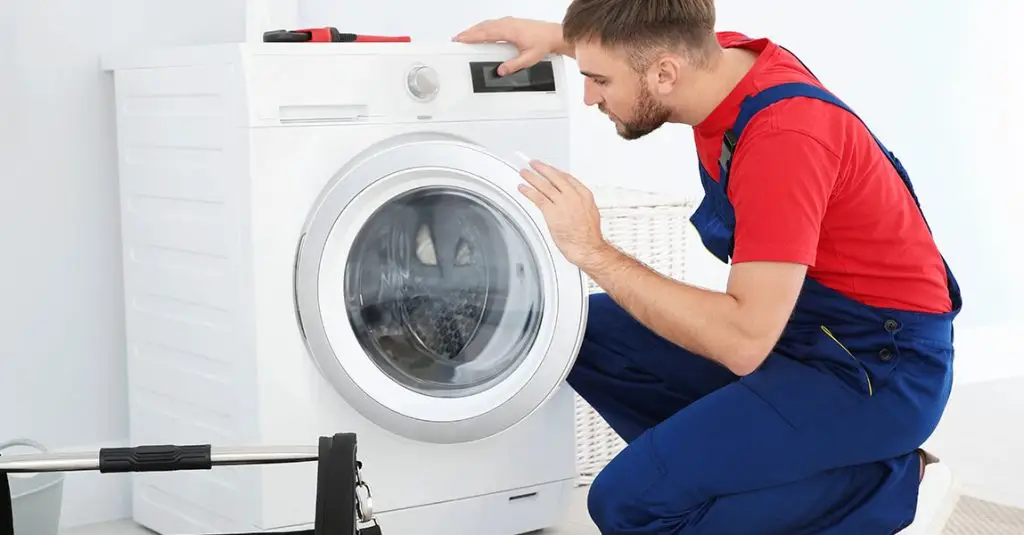
Calgary winters bring extreme cold that can freeze the pipes inside your own home. We know that most homeowners worry about their furnace or their outdoor taps when the temperature drops to -30°C. However, your laundry room faces its own set of unique dangers during a cold snap. If your washing machine sits against an exterior wall or in a chilly basement, the water inside the hoses can turn to ice in just a few hours. Our team at Freedom Appliances wants to help you avoid the mess and expense of a flooded laundry room this season.
When water freezes, it expands with enough force to crack solid metal and thick plastic. If the water inside your washer hoses freezes, it creates a “pressure bomb” that can burst at any moment. Because many Calgary homes have laundry rooms near the garage or a drafty loading area, these machines stay right in the path of the frost. We believe that a little bit of preparation goes a long way in protecting your property. By following our winter survival guide, you can keep your pipes flowing and your clothes clean all winter long.
Why Cold Calgary Basements Lead to Burst Pipes
Most basements in Alberta stay cooler than the rest of the house, which usually feels great in the summer. During a January deep freeze, however, that cool air can drop below the freezing point near the floor or the rim joists. If your washing machine hoses touch a cold concrete wall, they lose heat very fast. This causes the water inside to stop moving and start crystallizing into ice. Once a small plug of ice forms, the pressure from the rest of the water line builds up until the hose snaps.
We often see burst hoses in homes where the laundry room lacks proper insulation. Even a small gap around a dryer vent or a window can let in a jet of freezing air that targets your washer. When the hose bursts, it doesn’t just leak a little bit; it can spray hundreds of litres of water into your basement before you even notice. Our professional technicians recommend that you check the area behind your washer for cold drafts. If you feel a breeze, you should look into Calgary Washing Machine Repair Service to ensure your internal valves didn’t take any damage from the cold.
The Best Insulation Tips for Your Laundry Room
You can take several simple steps to keep your laundry room warm enough to prevent freezing. First, we suggest pulling your washing machine a few inches away from the exterior wall. This creates a pocket of warm air from the rest of the house that protects the hoses. If you leave the washer pressed tight against a freezing wall, the wall will “steal” the heat right out of the water lines. Keeping that small gap makes a huge difference when the wind starts to howl outside.
Second, you should consider insulating the actual hoses. You can buy foam pipe sleeves at any local hardware store in Calgary. These sleeves wrap around the rubber hoses and keep the heat trapped inside. For extra protection, you can also leave the laundry room door open during the night. This allows the warm air from your furnace to circulate into the room instead of getting trapped in the hallway. We have found that these small changes often prevent the need for emergency repairs during the coldest weeks of the year.
Winterizing Your Washing Machine Hoses
If you plan to leave your home for a winter vacation, you must take extra care of your appliances. We always suggest turning off the water supply valves behind the washing machine before you head to the airport. If the heat in your house fails while you are gone, having the water turned off prevents a burst hose from flooding your entire home. It only takes a second to turn the handles, but it provides massive peace of much-needed mind.
For homeowners with machines in unheated areas like a garage or a porch, we recommend a more thorough “winterizing” process. This involves draining the water out of the hoses and the internal pump. Water left in the pump can freeze and crack the plastic housing, which is a very expensive fix. Our team can help you drain these systems properly if you aren’t sure how to reach the internal drain plugs. Taking these steps ensures that your machine stays in one piece until the spring thaw arrives.
Identifying the Signs of a Frozen Line
You might not know your pipes are frozen until you try to do a load of laundry. If you start your washer and hear a humming sound but no water enters the tub, you likely have an ice blockage. You should stop the machine immediately to prevent the inlet valve from burning out. If the valve tries to open but cannot pull water through the ice, the electrical coil inside can overheat. We suggest checking both the hot and cold lines, as the cold line usually freezes first.
If you suspect a freeze, do not use a blowtorch or an open flame to thaw the hoses. This is a major fire hazard and can melt the rubber. Instead, we suggest using a hair dryer on a low setting or a space heater placed a safe distance away. Slowly warming the area is the safest way to turn the ice back into liquid. If you still cannot get water to flow after warming the hoses, you may have a blockage deeper in the wall. In that case, you should Contact Us to have a professional inspect the system safely.
The Danger of Rubber Hoses in Alberta
Standard rubber hoses that come with many washing machines are not great at handling Calgary’s extreme temperature swings. Over time, the rubber becomes brittle and develops tiny cracks that you cannot see. When the water inside freezes and expands, these weak spots are the first to give way. We strongly recommend that all Calgary homeowners upgrade to stainless steel braided hoses. These hoses have a tough metal mesh on the outside that prevents them from “ballooning” or bursting under pressure.
Our professional technicians can install these high-quality hoses for you during a routine maintenance visit. Stainless steel hoses last much longer and provide a much higher level of safety against leaks. We believe that spending a little more on better hoses is one of the smartest investments you can make for your laundry room. It significantly reduces the chance of a disaster and gives you one less thing to worry about during a blizzard.
How We Support Your Winter Maintenance
We take pride in keeping Calgary’s appliances running no matter how cold it gets outside. Our team understands the specific challenges of living in a northern climate. We don’t just fix broken parts; we look for ways to prevent future problems. When we visit your home, we check your water pressure, inspect your hoses, and ensure your drainage system works perfectly. We want you to feel confident that your washing machine can handle the workload of a busy family even in the dead of winter.
Reliability is our top priority. We know that a broken washer is a huge inconvenience, especially when the roads are icy and you don’t want to go to a laundromat. That is why we offer fast service and honest advice. Whether you need a quick hose replacement or a full diagnostic check, we are here to help. We treat your home with respect and always aim to leave your laundry room better than we found it. Let us handle the technical side of winterizing so you can stay warm and comfortable.
Frequently Asked Questions
Can I leave my washing machine in a cold garage?
We do not recommend keeping a washer in an unheated garage in Calgary. The freezing temperatures will almost certainly damage the internal pump and valves. If you must keep it there, you have to drain all the water out of the machine and the hoses after every single use.
Why is my washing machine leaking only in the winter?
The cold air can cause rubber seals and hoses to shrink and become stiff. This creates small gaps where water can leak out. Once the machine warms up, the seals might expand and stop the leak, but this is a sign that the rubber is reaching the end of its life.
How do I know if my inlet valve is cracked?
If you see water dripping from the back of the machine even when it is turned off, you might have a cracked inlet valve. This often happens if water froze inside the valve over the night. You should replace this part immediately to prevent a larger flood.
Should I keep my house warm even when I am not home?
Yes, you should never turn your furnace completely off during a Calgary winter. We recommend keeping your thermostat at least at 16°C to ensure the air inside the walls stays warm enough to prevent your plumbing and appliance hoses from freezing.
What is the best way to thaw a frozen washer hose?
The safest way involves using gentle heat. Wrap a warm, damp towel around the hose or use a hair dryer on a low setting. Never use anything with a flame. Once the hose feels soft again, try to run a cycle to see if the water flows.
Do stainless steel hoses prevent freezing?
While stainless steel hoses are much stronger and less likely to burst, the water inside can still freeze. The metal mesh protects the hose from breaking, but it does not provide insulation. You still need to keep the room warm or use foam sleeves.