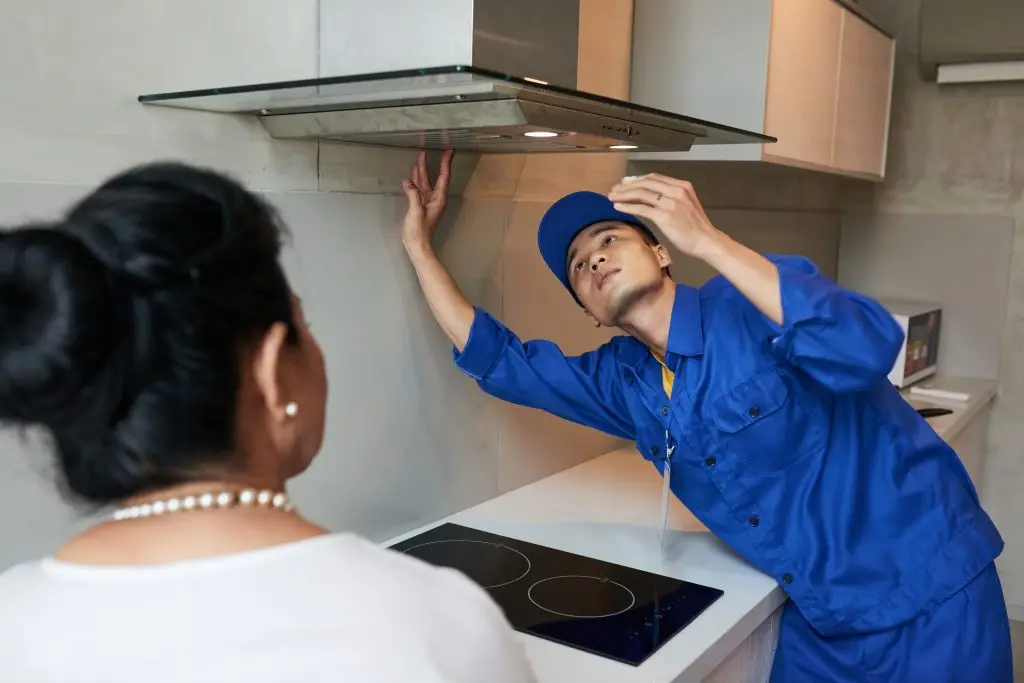
A loud range hood fan can quickly turn cooking into a stressful experience. When a loud range hood fan starts making unusual sounds, it is usually a sign that something inside the system needs attention. Ignoring the noise may lead to reduced airflow, overheating, or even electrical issues over time. At Freedom Appliances, we often see that strange sounds begin as small mechanical problems and grow worse when left unchecked. Understanding what those sounds mean helps you decide whether a quick cleaning is enough or if professional repair is required.
Loud Range Hood Fan: Common Causes Behind the Noise
A loud range hood fan often points to loose or worn internal components. The most common cause is a fan blade that has shifted out of alignment. When blades wobble, they hit surrounding parts and create rattling or grinding sounds. Over time, vibration can also loosen mounting screws, causing the entire unit to shake during operation.
Another frequent issue involves the motor. If the motor bearings wear out, the fan may produce a high pitched squeal or humming noise. In some cases, grease buildup restricts movement, forcing the motor to work harder than normal. When airflow becomes blocked by filters packed with grease, the system strains and becomes noticeably louder. Cleaning filters regularly reduces this risk and helps maintain proper ventilation performance.
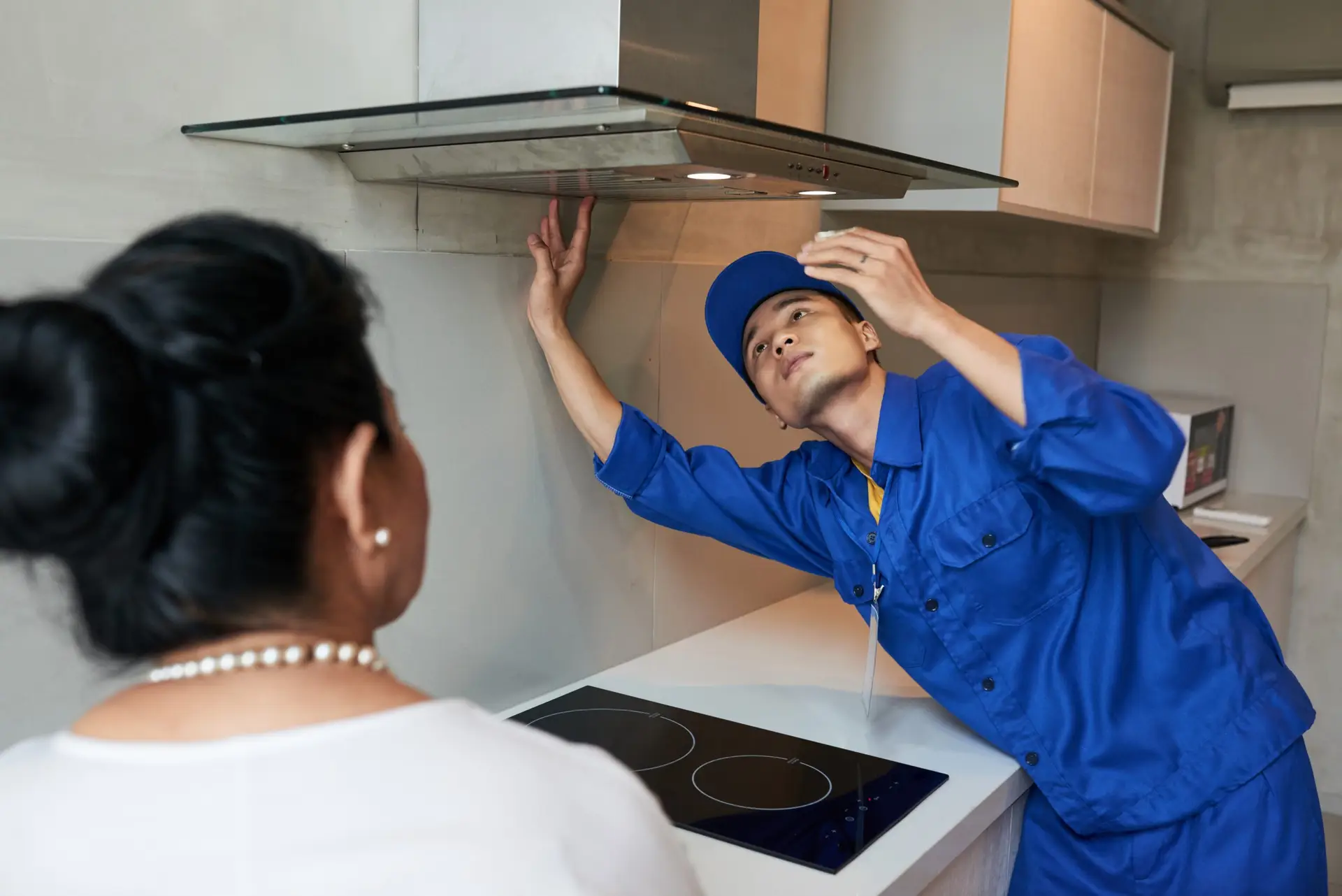
If the noise continues after cleaning, it may be time to consider professional inspection. Freedom Appliances provides full diagnostics through our kitchen range hood repair Calgary service, where trained technicians check motors, blades, wiring, and mounting hardware to locate the exact cause.
Rattling or Vibrating Sounds During Operation
Rattling is one of the most common complaints related to a loud range hood fan. This usually happens when screws, brackets, or panels become loose. Even small vibrations from daily use can slowly shift components out of place. When the hood vibrates against cabinetry or ductwork, it amplifies the noise throughout the kitchen.
Ductwork problems may also contribute. If the vent pipe inside the wall has disconnected or is poorly secured, airflow turbulence creates shaking sounds. In some homes, improper installation can cause metal ducts to expand and contract with temperature changes, adding clicking or tapping noises during cooking.
Checking visible screws and tightening them may reduce minor vibration. However, if the rattling persists, internal structural parts could be damaged. In these situations, we recommend professional service to prevent long term wear on the motor and electrical connections.
Buzzing, Humming, or Electrical Noise
A buzzing or constant humming tone often indicates motor strain or electrical concerns. When internal wiring connections loosen, the system may produce intermittent buzzing sounds. In older units, aging capacitors inside the motor assembly can also cause unusual electrical noise.
If your kitchen ventilation system shares a circuit with major appliances, electrical overload may add to the problem. For example, running the hood at the same time as heavy cooking equipment sometimes exposes underlying wiring weaknesses. If you notice the noise only when using the stove or oven, it may be worth checking related systems. Our team frequently handles coordinated diagnostics during oven & stove repair Calgary visits when ventilation and cooking appliances operate together.
Electrical issues should never be ignored. Persistent humming combined with reduced airflow could signal an overheating motor. Shutting the unit off and scheduling inspection helps prevent further damage.
Grinding or Scraping Sounds
Grinding sounds are more serious and usually involve direct contact between moving parts. When a fan blade becomes bent or debris enters the housing, scraping noises occur during rotation. In other cases, completely worn motor bearings create harsh grinding that becomes louder over time.
If left unresolved, this condition can permanently damage the motor. Replacement may become necessary if the internal shaft becomes misaligned. Acting quickly keeps repair costs lower and extends the life of your kitchen ventilation system.
Sometimes homeowners first notice airflow issues in other appliances before recognizing the hood problem. Poor ventilation can affect kitchen temperature and moisture levels, which in turn influences nearby refrigeration systems. During service calls related to calgary emergency fridge repair, we occasionally discover that ventilation imbalance contributed to overheating conditions in tight kitchen layouts.
When Cleaning Is Enough and When Repair Is Needed
Not every loud range hood fan requires full repair. Simple maintenance often resolves the issue. Start by removing and washing metal grease filters with warm water and mild detergent. Ensure the fan blades are free from visible debris. Wipe down the interior housing to remove hardened grease that may cause imbalance.
However, if noise returns quickly or grows louder, internal wear is likely present. Freedom Appliances provides detailed inspections through our main appliance repair platform at Calgary appliance repair services. Our technicians evaluate airflow efficiency, motor condition, structural mounting, and electrical safety before recommending next steps.
Commercial kitchens face even greater strain due to extended daily use. High powered systems accumulate grease rapidly and operate at stronger speeds. For businesses experiencing similar problems, our commercial fridge repair Calgary and ventilation diagnostics ensure equipment remains safe and efficient in demanding environments.
Why Early Diagnosis Matters
Addressing a loud range hood fan early prevents secondary damage. Continuous vibration can loosen wiring, crack mounting brackets, and reduce overall system lifespan. What begins as a small rattle can eventually require motor replacement if ignored.
Proper airflow is essential for removing smoke, steam, and cooking odors. A malfunctioning hood reduces indoor air quality and increases heat buildup in the kitchen. Regular maintenance combined with professional inspection when unusual sounds appear keeps your ventilation system reliable.
Freedom Appliances focuses on clear diagnosis before any repair begins. By identifying the exact cause of the noise, unnecessary part replacement is avoided and long term performance is preserved.
Frequently Asked Questions
1. Is a loud range hood fan dangerous?
Not always, but persistent loud noise can signal motor wear or electrical strain. Ignoring it may lead to overheating or further mechanical damage over time.
2. Can I fix a loud range hood fan myself?
Basic cleaning and tightening visible screws can help. However, motor, wiring, or bearing issues require professional inspection for safety.
3. Why did my range hood suddenly become louder?
Sudden noise changes often result from debris inside the fan, loose mounting hardware, or worn motor bearings. Electrical fluctuations may also contribute.
4. How long should a range hood motor last?
With proper maintenance, many motors last 10 to 15 years. Heavy use and grease buildup can shorten that lifespan significantly.
5. When should I call for repair service?
If cleaning does not reduce the noise, or if you hear grinding, buzzing, or electrical smells, scheduling professional service is the safest option.