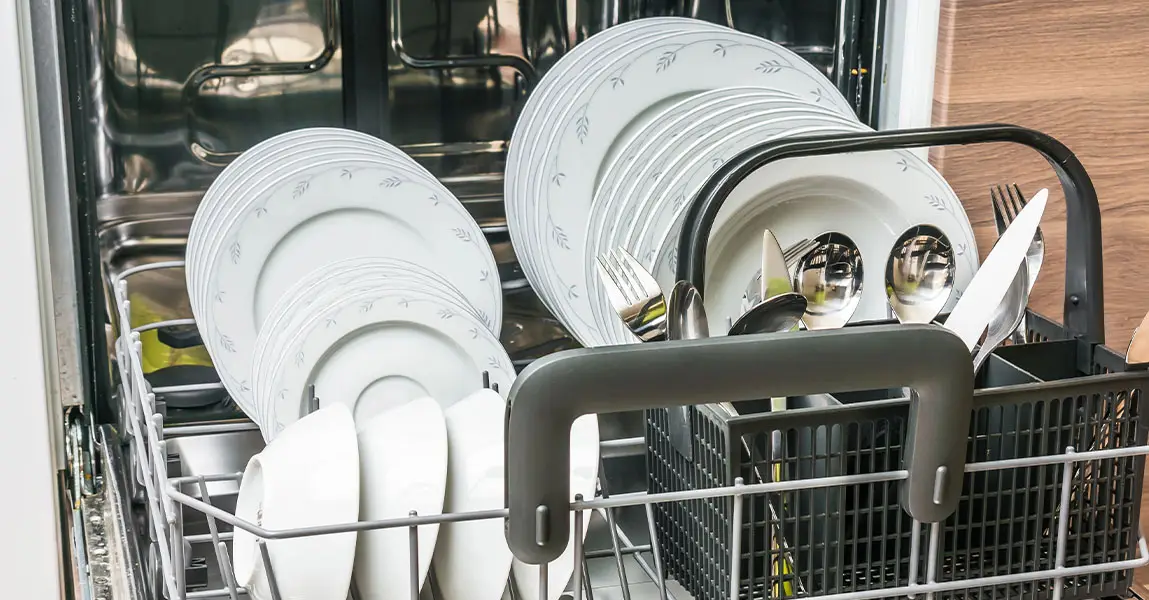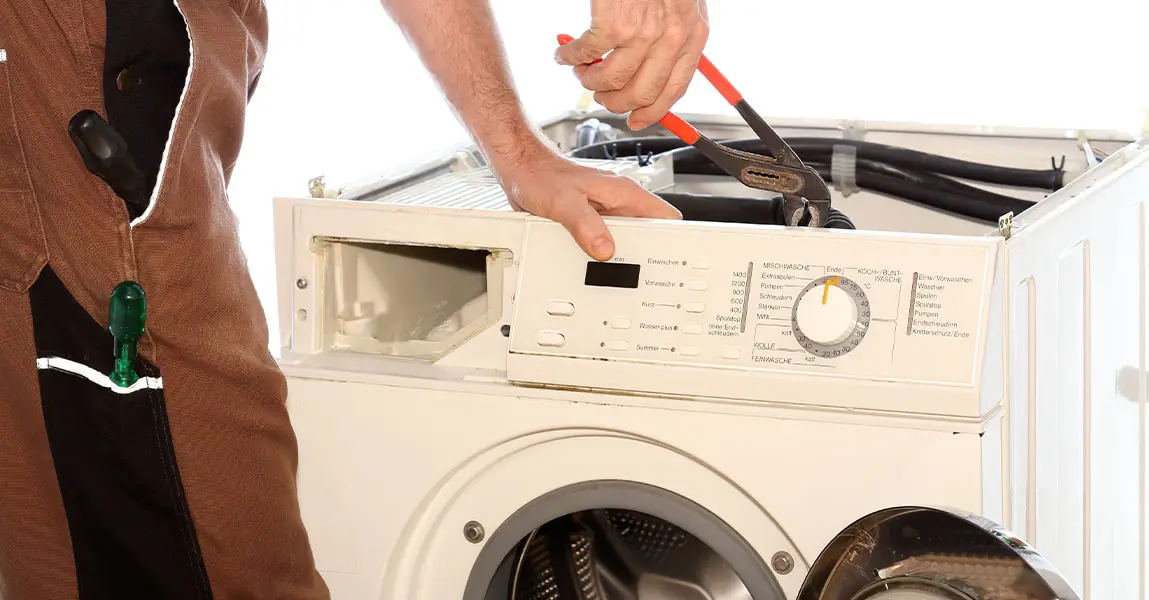
Many people notice their dishwasher runs longer than it did a year or two ago. It used to finish a cycle in under an hour. Now it’s closer to two. If that sounds familiar, you’re not alone. We get this question often, and the causes usually come down to newer energy standards, maintenance habits, or internal wear. In this post, we’ll look at the most common reasons behind long dishwasher cycles, what you can do about them, and when to consider calling in professional help.
Modern Energy Standards Slow Down Dishwashers
Newer dishwashers are designed to save water and electricity. These efficiency features sound helpful at first. However, they also mean cycles take longer than older models. Water heating happens in smaller bursts, and more time is spent soaking or rinsing.
Older machines blasted through the wash cycle quickly, but they used far more water and power. Today’s dishwashers stretch the process to balance results with efficiency. In many cases, the extra time is just part of the design. That is to say, there’s nothing wrong with the machine.
If you’re using a modern dishwasher for the first time, or if yours was recently upgraded, this might explain the longer run time. Still, if your machine is older and suddenly runs longer, other issues may be the cause. Learn more about how this change ties into routine maintenance and when it signals a deeper issue through our Calgary dishwasher repair services.
Clogged Filters Force Extra Work
Filters catch food bits and prevent them from reaching the drain pump. However, they can get clogged easily, especially when dishes aren’t rinsed beforehand. A blocked filter keeps dirty water circulating longer. That causes sensors to delay the next step.
Eventually, the machine adds rinse cycles or prolongs the main wash to make up for poor drainage. Over time, this can stretch your normal cycle by 30 minutes or more. Cleaning the filter only takes a few minutes. After that, you’ll likely notice an immediate difference in time.
In some cases, filter gunk spreads to nearby areas like the sump or spray arm base. That adds to the problem and may require a deeper cleaning. Our team handles full internal cleaning as part of our routine appliance repair in Calgary if buildup gets out of hand.
Water Supply Issues Cause Delays
Dishwashers rely on consistent water pressure and temperature. If the water is too cold, the dishwasher takes longer to heat it. If the pressure is low, it takes more time to fill the tub. Either way, your cycle drags out.
We’ve seen many dishwashers in Calgary homes run long simply because the hot water line takes too long to warm up. Running the kitchen faucet until it gets hot before starting the cycle can solve this. Similarly, if your water heater is far from the dishwasher, or set too low, expect delays.
Also check for partially closed valves or kinked hoses. If water fills slowly, every stage takes longer. Addressing supply issues can shave 20 to 40 minutes off your wash time and also improve cleaning.
Soil Sensors Struggle with Dirty Loads
Many newer dishwashers use turbidity sensors. These detect how dirty the water is and adjust the cycle length. When water looks cloudy, the machine extends the cycle to compensate.
The sensor doesn’t know how big the mess is. It just sees the water is still dirty, so it keeps washing. This works well in theory, but problems happen when the sensor is coated with residue. In that case, it always reads the water as dirty—even when it’s clean.
If your dishes look spotless but the cycle keeps going, the sensor might be to blame. You can wipe it gently with a damp cloth to remove any buildup. This little step can reset timing and prevent delays. When sensor cleaning doesn’t help, a technician can test the sensor with diagnostic tools to confirm it’s working. If you’re unsure, schedule an appointment using our appliance repair in Calgary contact form.
Hard Water Slows Cleaning and Rinsing
Minerals in Calgary’s hard water leave deposits inside the dishwasher. These build up on the heating element, sensors, spray arms, and filters. As a result, the machine has to work harder to heat water, measure cleanliness, and rinse dishes properly.
Spray arms clogged with mineral residue don’t distribute water evenly. That leads to poor cleaning and forces the cycle to repeat. Heating elements with scale take longer to raise the water temperature. Everything moves slower.
Use a dishwasher cleaner monthly to reduce scale buildup. Adding rinse aid regularly also helps water shed off dishes better during drying. We often recommend installing a water softener if the buildup becomes a constant issue.
Delayed Start or Drying Options Are Activated
Sometimes a long cycle is just the result of a setting change. Many dishwashers include features like “Sanitize,” “Extra Dry,” or “Delayed Start.” These options can add 30 to 90 minutes to the normal time.
If someone in your household recently changed the settings, or if a guest used the machine, double-check what’s selected before starting. Some cycles also default to longer times after power outages or system resets.
Reviewing the manual can help you reset to the shortest normal cycle. If settings return to the same long cycle every time, the control board may be stuck. A control reset often solves this, but if it doesn’t, that’s where professional appliance repair in Calgary becomes necessary.
Internal Heating Element Is Failing
The heating element plays a key role in getting water to the right temperature. It’s used during both the wash and rinse cycles, as well as for drying. When it weakens or fails, the machine can’t reach the target temperature fast enough.
Instead of pausing the cycle completely, the dishwasher keeps running in an attempt to reach the right heat level. That leads to much longer wash times. You might also notice dishes come out wet or the soap isn’t dissolving fully.
A multimeter test can confirm if the element has continuity. If not, it needs to be replaced. We carry a range of common heating elements and can install them during a same-day visit when available.
Control Board or Timer Problems
In older dishwashers, a mechanical timer moves the cycle forward. In newer models, an electronic control board takes over. When either of these malfunctions, the cycle might stall at one stage.
We’ve seen dishwashers sit in a rinse loop for over an hour because the timer didn’t advance. On digital models, software glitches or failed relays can freeze the program partway through.
Most people don’t spot this issue right away since water still flows and sounds normal. However, if you notice your dishwasher is stuck in one sound pattern for too long, the control board could be the reason.
A diagnostic scan checks for error codes and verifies communication between components. If you’re hearing repeated rinsing or drying with no progress, Calgary dishwasher repair services may be the next step.
Loading Habits That Confuse Sensors
Dishwasher sensors are designed to respond to flow and water clarity. However, incorrect loading can disrupt that process. For example, if tall items block the spray arm or small dishes tip over and collect water, sensors may read the cycle as incomplete.
Some machines interpret poor water movement as dirty water or a blockage. This confusion triggers longer rinse or wash stages. Using the wrong type of soap can cause excess suds, which also confuses sensors and forces extra rinsing.
Check that nothing is blocking the arms, avoid overloading, and use detergent made for dishwashers only. If cycles are still long after correcting your loading habits, other factors may be contributing.
FAQs
Why does my dishwasher run for hours without stopping?
This could mean it’s stuck in a rinse or heat cycle. Sensor errors, clogged filters, or control board issues are often the cause.
Can I fix long cycles on my own?
Try cleaning the filters, running hot water at the sink first, and checking for setting changes. If it still runs long, it may need repair.
Does hard water affect how long a dishwasher runs?
Yes, hard water leads to buildup that slows heating and rinsing. Regular descaling and rinse aid use can help.
Is a longer cycle always a sign of a problem?
Not always. Some modern cycles are designed to be longer for better energy savings. However, sudden changes usually indicate an issue.
What should I do if none of the basic tips help?
If filters are clean, settings are normal, and you still face delays, we recommend a diagnostic check. Our appliance repair in Calgary contact form makes scheduling easy. Reach out and let us help get your dishwasher back to normal.