
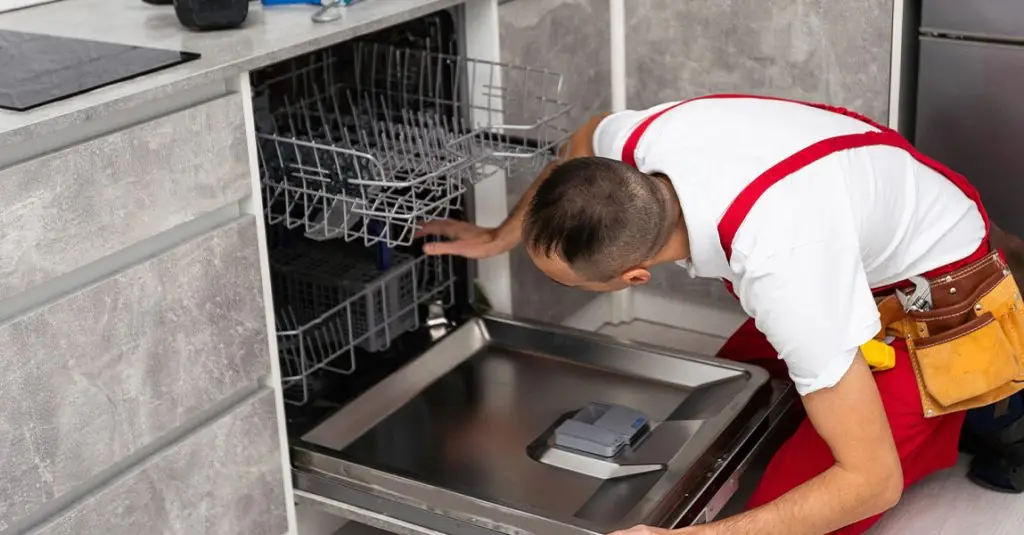
When your dishwasher smells like burning plastic, it’s hard to ignore. That sharp, unpleasant scent can fill the kitchen and spark real concern. We understand how frustrating and worrying it can be, especially when you’re unsure what caused it. Sometimes it’s a minor issue, but other times it’s a sign something more serious is going wrong inside the machine. Let’s break down the common causes, what to check first, and when it’s time to call for help.
Common Reasons for a Burning Plastic Smell in Dishwashers
Most burning plastic smells inside a dishwasher come from a heating issue or a misplaced item. Still, there are a few possible causes worth exploring. We usually start by checking for items that have dropped near the heating element. For example, a plastic utensil or food container lid might have slipped through the lower rack. These can melt during the drying cycle and release a strong, unpleasant odor.
Other times, parts inside the machine can break down. For instance, a cracked spray arm, worn rack coating, or loose insulation near heating components might give off that smell. In some models, the drain pump or motor housing can also overheat if it’s blocked. That overheating causes plastic parts to deform or burn. If you suspect internal parts are affected, it’s best to consider an appliance repair in Calgary to avoid further damage.
Heat Element Malfunction and Dry Cycle Issues
Burning smells often point to a faulty heating element. That part sits at the bottom of the dishwasher and helps dry your dishes. If it warps or becomes misaligned, it may contact nearby plastic parts or dishes and cause melting. We’ve seen cases where a plastic tub base gets scorched because the heating element overheated or wasn’t turning off properly.
Sometimes the control board fails to regulate the dry cycle, which means the heater stays on too long. That constant heat buildup melts nearby components. In extreme situations, it may even trip your circuit breaker. It’s important to avoid running more cycles if you’ve noticed scorching or melting smells. Our Calgary dishwasher repair services can help pinpoint the issue before it worsens.
Improper Loading and Plastic Items on Lower Rack
One overlooked cause is how we load the dishwasher. Lower racks sit close to the heating element. If plastic bowls or utensils are placed there, they can easily melt during the drying phase. It’s always safer to keep plasticware on the upper rack. Heat rises, so that space stays slightly cooler during operation.
Still, heat-tolerant plastics can sometimes warp or burn if they are too lightweight and flip during the cycle. We also check for items that fall through rack slots, especially small lids or stray plastic pieces. These often settle near the heater and melt without you noticing until that burning scent appears. Adjusting your loading habits prevents most of these issues.
Damaged Internal Parts or Wiring Problems
Over time, parts inside the dishwasher can degrade. That includes wiring insulation, connectors near the control board, or protective shields around the motor. When wiring gets damaged, arcing or short circuits can occur. That results in both a plastic and electrical burning smell. We’ve handled cases where customers noticed a faint odor long before a fuse blew.
This type of damage might not show visible signs. However, if your dishwasher trips breakers, refuses to start, or sparks appear, stop using it right away. Damaged wires should never be ignored. You can always reach out for a professional diagnosis from Freedom Appliances before continuing use.
New Dishwasher Smell vs Actual Burnt Plastic
Sometimes, a new dishwasher will give off a burning scent during the first few uses. That’s normal. Manufacturers coat parts with oils or protective layers that burn off in early cycles. Still, the smell should fade after two or three runs. If the smell gets stronger or lasts longer, we check for leftover packaging materials.
It’s easy to miss small bits of tape, foam, or stickers stuck under racks or near the heater. These melt quickly and produce a sharp burnt plastic odor. Always double-check your manual and inspect hidden corners before running a new unit. If the smell persists, it’s time to inspect more closely or ask a technician for help.
Tips to Prevent Plastic Melting in Future Cycles
We often suggest a few simple steps to avoid this issue in the future. First, always inspect plastic containers before washing. Look for the dishwasher-safe symbol. Not all plastics handle high heat well, especially during the dry cycle. Use the top rack for anything lightweight or plastic, and never overcrowd the lower area.
Second, consider disabling the heated dry function if you mostly wash plastic items. Air drying reduces the chance of melting. We also recommend checking the filter and spray arms regularly. Blocked components can force hot water and steam into concentrated spots, raising the chance of overheating. Following these steps helps reduce appliance wear and lowers the risk of future smells.
When to Call for Appliance Repair
If you notice the smell keeps returning or grows stronger, there’s likely a deeper issue. Melting plastic from a misplaced item happens once. Ongoing problems usually involve internal parts. That might include a damaged heating element, worn motor, or even electrical issues near the control board. Trying to run the machine under those conditions could lead to more damage.
In those cases, reaching out for appliance repair in Calgary becomes the safer option. A trained technician will open the base, test components, and check wiring. We know these symptoms and how to trace the source fast without guessing. Avoid delays and don’t run the machine again if you’re unsure.
A Tip Most People Overlook
Here’s something we rarely see covered but find helpful. After a burnt plastic smell appears, always clean the interior thoroughly with vinegar and baking soda. Heat spreads the residue into corners and vents. That smell can stick to walls or dishes even after you remove the melted item.
We recommend running one cycle with a cup of white vinegar in the top rack. After that, sprinkle baking soda across the bottom and run a second short cycle. These natural cleaners absorb odors and loosen residue. Many customers say the lingering scent disappears afterward. It’s a simple step but makes a big difference.
FAQs
What should I do first if I smell burning plastic during a cycle?
Turn off the dishwasher immediately and open the door. Let it cool down, then check the bottom for melted plastic or stray items near the heating element.
Can a faulty heating element cause a plastic smell?
Yes, if the heating element is overheating or touching nearby components, it can melt plastic parts and release that smell.
Is it safe to run my dishwasher after noticing the smell?
No. If the cause isn’t obvious, stop using it. Running more cycles could damage internal parts or create a fire risk.
Does new plastic smell always mean a problem?
Not always. New dishwashers may emit temporary smells, but they should fade quickly. If it continues, inspect for packaging or hidden melting spots.
Can I remove the smell on my own?
Yes, if the source is found. Use vinegar and baking soda cycles to neutralize the odor. If it doesn’t help, internal parts may need inspection.
If your dishwasher still smells like burnt plastic and you’re not sure why, don’t wait for things to get worse. Reach out through our contact page and schedule a full inspection. Let’s fix the issue safely and fast.