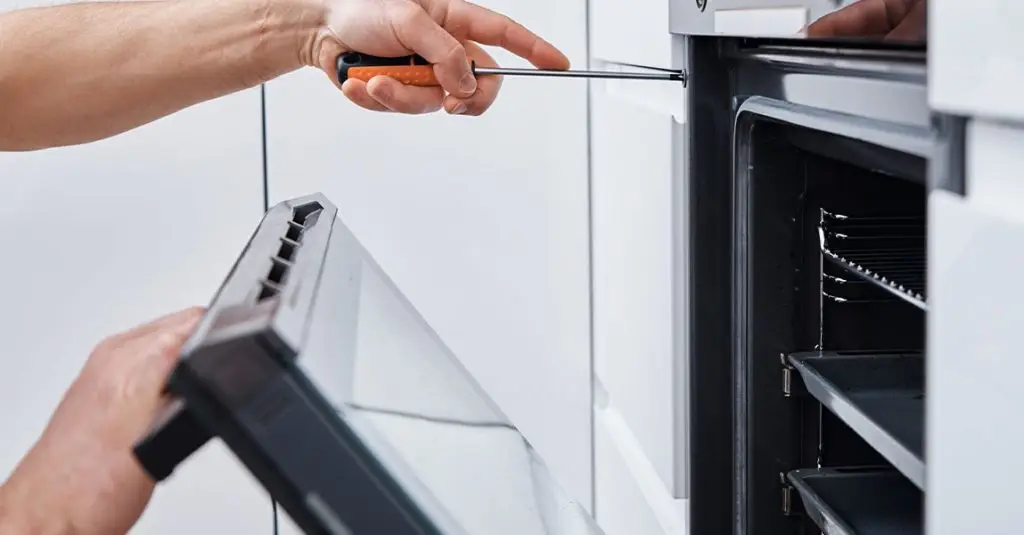
Oven lights seem simple, but when they keep burning out, it gets frustrating fast. We often get asked why this happens so frequently and whether there’s something wrong with the oven itself. While changing the bulb is usually easy, doing it again and again hints at a deeper issue. We put this guide together to help people figure out what’s really going on. It’s not just about replacing a light. It’s about keeping your oven working the way it should and avoiding unnecessary fixes later.
Common Reasons the Bulb Blows Quickly
Most oven light issues start with heat. Oven bulbs face extreme temperatures every time you cook. That constant heat wears the filament out faster than normal light fixtures. Even if the bulb says it’s rated for high heat, the conditions in your oven are harsher than most people expect. That’s why it fails sooner than expected.
Another issue is vibration. When oven racks slide or you bump the door, those small shakes can damage the filament. Over time, these bumps break the bulb, especially if the light stays on during cooking. That repeated shaking while hot makes burnout more likely.
Voltage can also play a role. A slight power surge or unstable flow can damage oven lights. We don’t always notice flickers, but small fluctuations affect sensitive parts like filaments.
To understand if this is becoming a pattern or if other parts might be involved, it helps to look at our full appliance repair in Calgary checklist. Knowing the bigger picture helps prevent repeat problems across the kitchen.
Faulty Light Socket or Wiring
Some bulbs don’t burn out from age. They get damaged because the socket is faulty. A loose or corroded connection can cause arcing, where electricity jumps across gaps. That heats the bulb base and shortens its life. When this happens, even brand-new bulbs won’t last more than a few uses.
Older ovens are more likely to have socket problems. Heat and moisture slowly wear down the contact points. Sometimes food spills or grease also get inside the socket, leading to damage. If the bulb base shows black marks or warping, that’s a clear sign of heat or arcing damage.
Wiring problems may be behind repeated issues too. If the oven’s internal wiring becomes worn, connections can become unstable. In some cases, the wire insulation starts to crack from age or exposure to heat. That leads to short circuits or uneven current flow, which puts stress on the bulb.
For ovens with these signs, it’s best to check inside the light socket. If you see signs of damage or corrosion, that’s a good reason to look into oven stove repair in Calgary. A new bulb won’t fix the root cause if the problem is in the wiring or socket.
Wrong Bulb Type or Installation Mistakes
Sometimes, the issue isn’t with the oven at all. It’s the bulb. Not every light marked “oven-safe” is truly built for high heat. Some cheap bulbs claim to work at oven temperatures but fail in a week or two. That’s why using a bulb from a trusted appliance parts source makes a big difference.
Wattage also matters. A higher-wattage bulb can overheat the socket and internal parts. That leads to more failures and might damage the oven light housing too. Always check the manual or the old bulb for the right specifications before replacing it.
People also run into problems by touching the bulb with bare hands. Finger oils leave residue on the glass that heats unevenly. That tiny bit of oil causes stress on the glass when the oven heats up, leading to cracking or early failure. Use a clean cloth or gloves when installing new bulbs to avoid this.
Installing the bulb too loosely or tightly causes trouble too. Loose bulbs can lose connection during heating, which causes flickering and power surges. Overtightened bulbs can crack or damage the socket. It’s important to gently twist the bulb until it’s snug, not force it into place.
To avoid these small mistakes, we always guide people during service calls or when they contact our oven repair technicians. It’s better to catch small errors before they turn into part replacements.
Internal Heat Exposure and Cooling Problems
Heat is part of the oven’s job, but sometimes it becomes a problem. If the oven doesn’t vent properly, or if the cooling fan fails, heat builds up more than it should. That extra heat affects nearby parts like the light socket and control panel. Eventually, it shortens the life of the bulb.
This happens often in self-cleaning ovens. The cleaning cycle runs much hotter than normal cooking. During that time, internal components, including the bulb housing, are exposed to extreme temperatures. Even with the light off, the heat affects the bulb and socket.
Also, poor airflow inside the oven can create heat pockets. If the fan that moves air around fails, one part of the oven stays hotter than the rest. That extra heat near the light can break the bulb or cause warping around the housing.
Some ovens use metal guards or glass covers to protect the bulb. If that cover is missing or damaged, heat hits the bulb directly. That makes burnout more likely. Always check that the light cover is in place and undamaged after cleaning or changing the bulb.
In these cases, the light bulb is just one of the symptoms. Internal heat issues can cause wear in other parts over time. Keeping vents clear and watching for signs of heat damage helps reduce problems down the line.
Extra Tip: Monitor How Often the Light Turns On
Most people don’t realize how often the oven light turns on. If your oven has a door switch that triggers the light, it might activate dozens of times a day. Every open door sends power to the light, even when the oven is off. Over time, that repeated cycling wears the bulb down.
In homes with kids or busy kitchens, oven doors open often. Every small power surge to the bulb adds up. Even though the light seems off most of the day, it goes through hundreds of brief uses every month. That’s why replacing bulbs more than once a year is sometimes normal.
One useful habit is turning off the oven light manually if the control panel allows it. This small step reduces unnecessary use and extends bulb life. Also, try to minimize opening the oven during cooking unless needed. That helps the bulb and improves cooking performance too.
We’ve seen many customers surprised when they track oven use more closely. Once they reduce how often the light switches on and off, bulb life improves noticeably. These small habits save money and reduce stress later.
FAQs
Why does my oven light keep blowing after a few days?
Usually, this means either the bulb isn’t rated for oven use or the socket has damage. Heat and vibrations wear it down fast if the conditions are wrong.
Can I use any 40-watt bulb in the oven?
No. It must be rated for high heat and labeled specifically for ovens. Regular bulbs don’t last long in that environment and may break.
Is it safe to use the oven with a burned-out light?
Yes, but you lose visibility during cooking. However, if the bulb keeps blowing, it may point to other internal problems that should be checked.
How do I remove a stuck oven bulb?
Wait until the oven is fully cool. Use a dry cloth for grip and gently twist. If it doesn’t move, the socket or bulb may be damaged and need service.
Does self-cleaning ruin the oven light?
It can, especially if the bulb or housing isn’t rated for extreme temperatures. Always check if the light cover is intact before running the cleaning cycle.
If you’re still unsure what’s causing your oven light to burn out repeatedly, or if the socket looks damaged, the team at Freedom Appliances can help. For issues that go beyond the bulb itself, reach out to our team through contact our oven repair technicians. We’ll check all components safely and quickly.