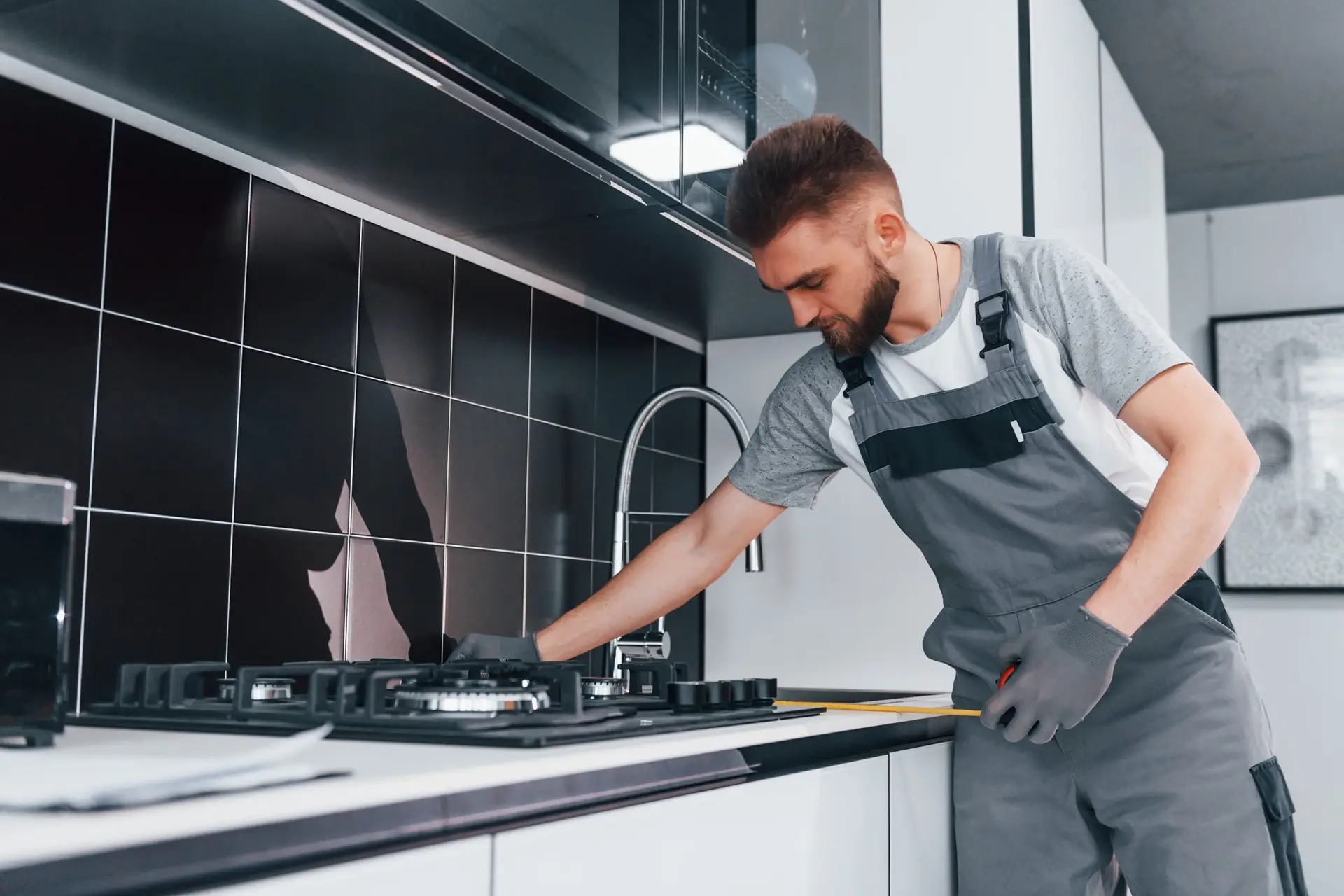
Gas vs electric stove issues are more common than most homeowners expect. When comparing gas vs electric stove performance, reliability and repair needs can differ significantly depending on the appliance type and how it is used. Understanding these differences helps Calgary homeowners prevent breakdowns and respond quickly when problems appear.
At Freedom Appliances, we regularly service both types of stoves and ovens. Each system has its own components, safety mechanisms, and common failure points. Knowing what to watch for can help you avoid cooking disruptions and unexpected repair costs.
Gas vs Electric Stove: Common Gas Stove Problems
Gas stoves are popular for their instant heat and precise flame control. However, they rely on ignition systems, gas valves, and burner assemblies that require proper maintenance.
One common issue is a burner that clicks continuously but does not ignite. This often points to a faulty igniter, moisture inside the burner cap, or a blocked gas port. If left unresolved, repeated clicking can damage the ignition module.
Another frequent problem is uneven flame distribution. Food may cook inconsistently if burner ports are clogged or gas pressure is unstable. In some cases, homeowners smell gas without visible flames, which requires immediate attention. Professional oven repair Calgary service ensures gas components are tested safely and restored properly.
Gas leaks or malfunctioning valves should never be ignored. Early inspection reduces risk and prevents larger repairs later.
Gas vs Electric Stove: Common Electric Stove Problems
Electric stoves operate differently, relying on heating elements and internal wiring instead of gas flow. While they eliminate gas-related risks, they introduce electrical challenges.
A common issue is a burner that does not heat or heats inconsistently. This often results from a failed surface element or a damaged receptacle. Over time, repeated expansion and contraction weakens heating coils.
Another frequent complaint is an oven that does not reach the correct temperature. This may be linked to a faulty temperature sensor, control board malfunction, or broken bake element. These components require professional diagnostics to avoid unnecessary part replacement.
Freedom Appliances recommends prompt inspection if you notice tripped breakers or visible sparking. Electrical issues can escalate quickly if ignored.
Safety Differences Calgary Homeowners Should Consider
When discussing gas vs electric stove safety, the risks are not identical. Gas appliances involve open flames and combustible fuel, while electric units carry shock and wiring hazards.
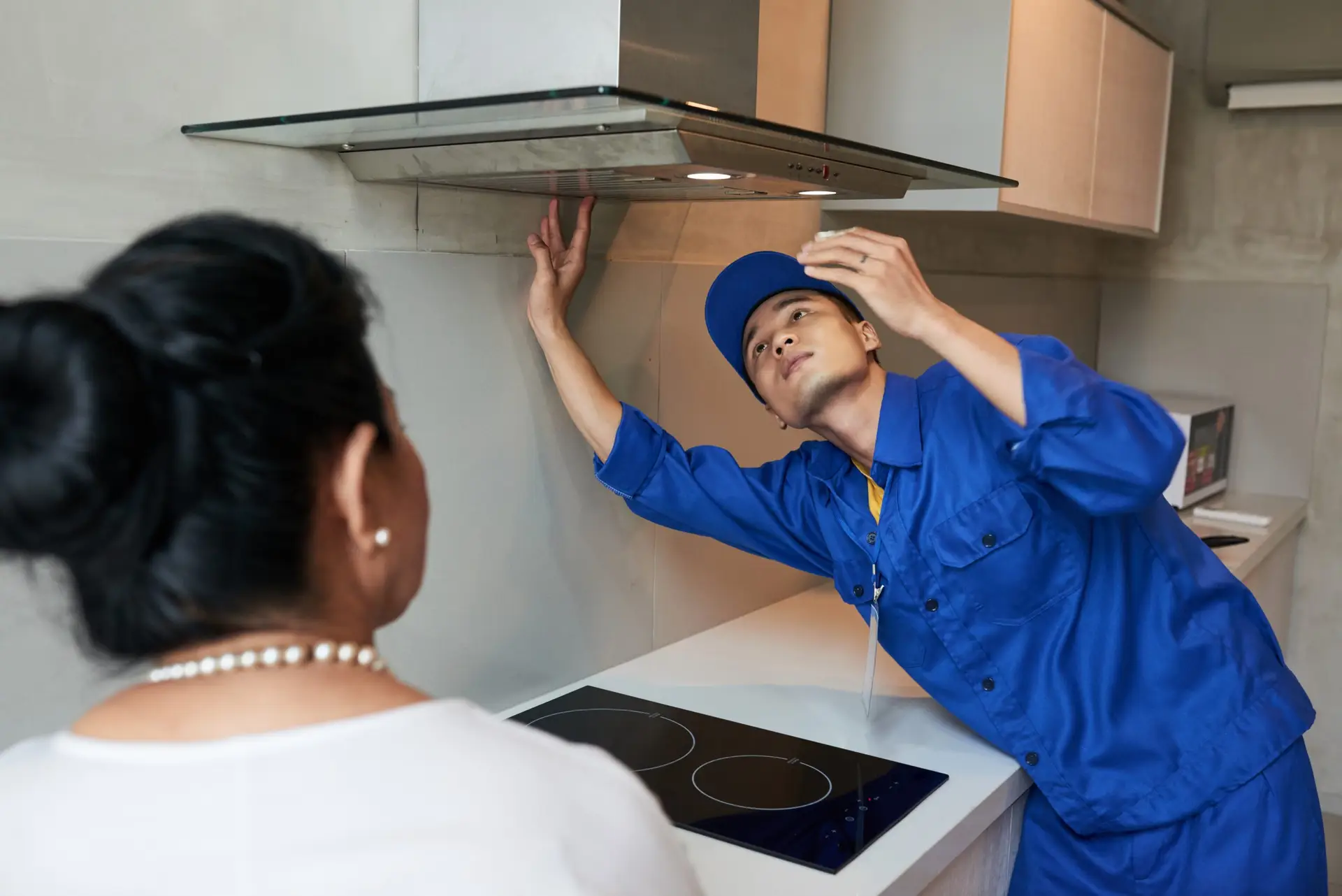
Gas stoves require proper ventilation to prevent carbon monoxide buildup. A malfunctioning appliance combined with a poor ventilation system may compromise indoor air quality. If airflow becomes an issue, professional kitchen range hood repair can restore safe exhaust performance.
Electric stoves, on the other hand, depend on stable electrical supply. Power surges or loose wiring connections may damage internal boards. Regular inspections help prevent fire risks and sudden shutdowns.
Both types demand proper maintenance to ensure long term reliability.
Repair Costs and Long Term Maintenance
Gas vs electric stove repair costs vary depending on the failed component. Gas repairs often involve igniters, gas valves, or burner assemblies. Electric repairs frequently require heating element replacement or electronic control board service.
Generally, electric surface elements are straightforward to replace. However, electronic boards can be more expensive if damaged. Gas repairs may require more precise calibration and leak testing.
Freedom Appliances always evaluates the full system before recommending repairs. Early intervention reduces damage and keeps maintenance predictable. If your stove is part of a larger kitchen setup, ensuring nearby appliances function properly is equally important.
For example, refrigeration failure can impact overall kitchen workflow. When needed, our team also handles emergency fridge repair to keep essential appliances running.
Performance and Cooking Experience
Gas stoves offer instant flame response, which many cooks prefer for sautéing and high heat cooking. Electric stoves provide even heat distribution and smooth surface cleaning.
However, performance problems affect cooking quality regardless of fuel type. A weak gas flame may extend cooking time, while a failing electric element may produce hot spots.
Calgary homeowners should monitor preheat times, flame color, and heating consistency. Yellow gas flames may indicate improper combustion. Slow electric preheat cycles may signal a failing bake element.
Professional service keeps cooking reliable and prevents unexpected downtime.
When to Call for Professional Help
If you smell gas, see sparks, or notice inconsistent heating, do not delay service. Ignoring early warning signs often leads to more expensive repairs.
Freedom Appliances provides complete diagnostics and repair for residential kitchens. Homeowners can learn more about professional appliance support at appliance repair in Calgary.
Commercial kitchens also rely heavily on stove performance. For restaurants or food businesses experiencing cooking equipment issues, our commercial fridge repair service supports refrigeration stability, which works alongside cooking systems to maintain proper food handling.
Timely repairs protect safety, cooking quality, and your appliance investment.
Gas vs electric stove systems each have strengths and vulnerabilities. Understanding how they differ helps Calgary homeowners make informed decisions about maintenance and repair.
Frequently Asked Questions
1. Which is safer, gas or electric stove?
Both can be safe when maintained properly. Gas stoves carry combustion risks, while electric stoves involve electrical hazards. Regular inspections and proper ventilation reduce safety concerns for either type.
2. Why does my gas stove keep clicking?
Continuous clicking usually indicates a faulty igniter, moisture in the burner, or a damaged ignition switch. Professional inspection helps identify the exact cause safely.
3. Why is my electric stove heating unevenly?
Uneven heating often results from a failing surface element, damaged receptacle, or malfunctioning temperature sensor. Replacing worn components typically restores proper cooking performance.
4. Are electric stove repairs more expensive than gas repairs?
Not necessarily. Surface elements are often affordable to replace, but electronic boards can increase costs. Gas repairs may require additional safety checks, which can also affect pricing.
5. When should I replace instead of repair my stove?
If the appliance is very old, parts are discontinued, or repair costs approach replacement value, replacement may be recommended. A professional diagnosis helps determine the most cost effective option.