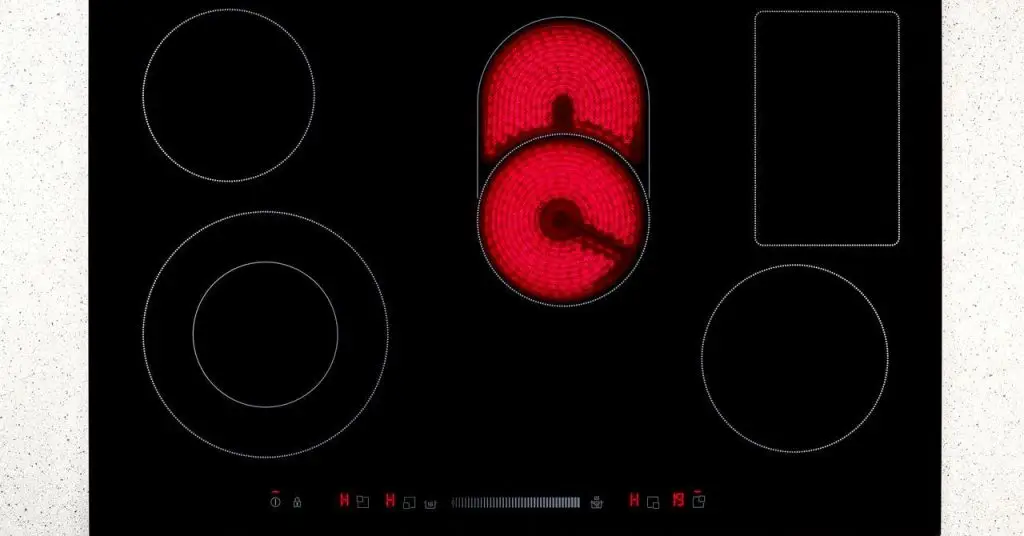
If you’ve ever walked into your kitchen and found that half your cooktop has gone completely dead, you’re not alone. A partially working cooktop is one of the most frustrating appliance problems homeowners face — and it almost always happens at the worst possible time. Freedom Appliances has seen this issue hundreds of times, and the good news is that most causes are diagnosable and fixable. Understanding why one side of your cooktop stops working suddenly can save you time, money, and a lot of stress.
Common Reasons One Side of Your Cooktop Stops Working
Cooktops don’t fail randomly. Something specific causes one side to go dark while the other keeps humming along. Here are the most frequent culprits.
Tripped Circuit Breaker
Most electric cooktops run on a double-pole breaker — two separate legs of power feeding different zones. When one leg trips, exactly half the cooktop loses power. Check your electrical panel first. A tripped breaker is the easiest fix on this list: reset it and test again. If it trips again immediately, stop and call a technician. Repeated tripping signals a deeper electrical problem.
Faulty Surface Element or Burner
Individual burner elements wear out over time. The coil heats and cools thousands of times throughout its life, and eventually it breaks internally. A single dead burner usually means a failed element. Multiple dead burners on one side, however, points elsewhere — likely to wiring or the control board.
Damaged Internal Wiring
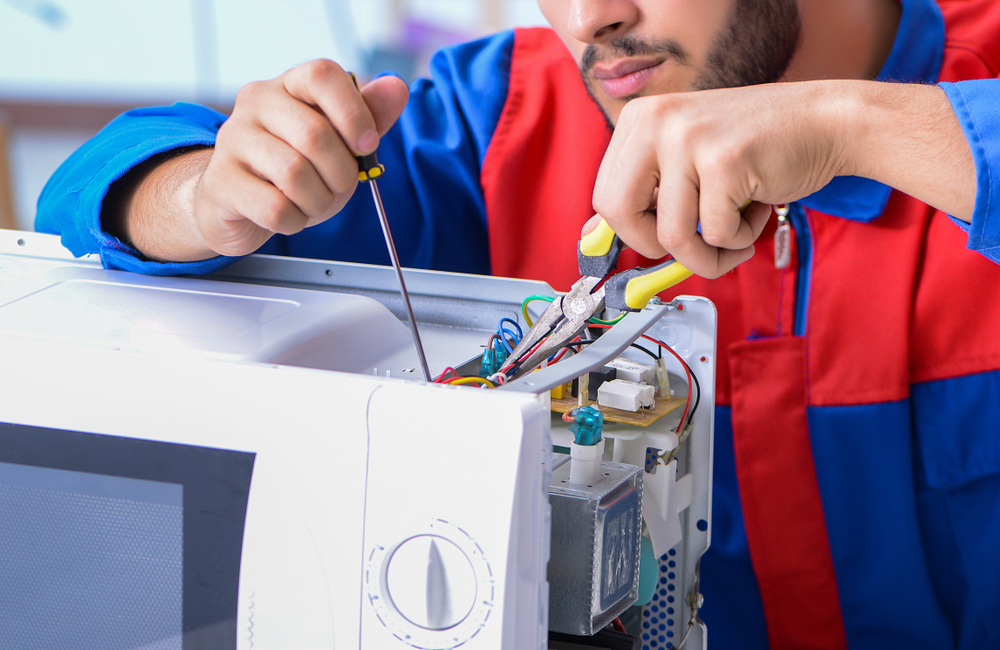
Wiring inside a cooktop runs hot for years. Connections loosen, insulation cracks, and terminals corrode. A wire that feeds one zone can fail quietly, cutting power to every burner on that side. This type of damage is not visible from the outside. A qualified technician needs to open the unit and inspect the wiring harness directly.
Failed Control Board
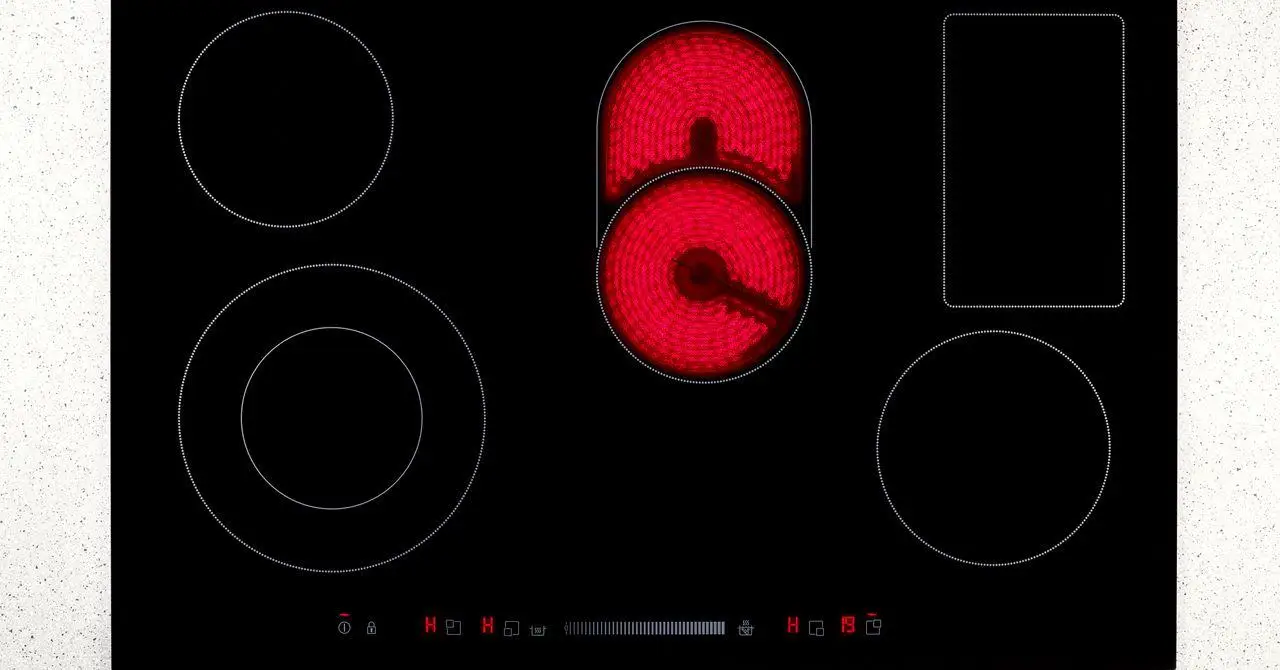
Modern cooktops — especially smooth-top induction and ceramic models — rely heavily on electronic control boards. These boards manage power distribution across heating zones. When one section of the board fails, it cuts output to the burners it controls. Control board failures often show up as partial outages, unresponsive touch controls, or error codes on the display. If your appliance repair technician confirms a board failure, replacement is usually the most efficient solution.
Defective Infinite Switch
On traditional coil-element electric cooktops, each burner connects to an infinite switch — the dial that controls heat level. These switches fail over time. A dead switch cuts power to its burner regardless of what the breaker is doing. One failed switch kills one burner. Two switches failing at once can make an entire side look completely dead.
Loose or Burned Terminal Connections
High heat, moisture, and years of use cause terminal connections to corrode or burn through. A burned terminal between the power supply and a burner zone breaks the circuit cleanly — no sparks, no smoke, just silence. Terminals are inspected and replaced during a standard service call.
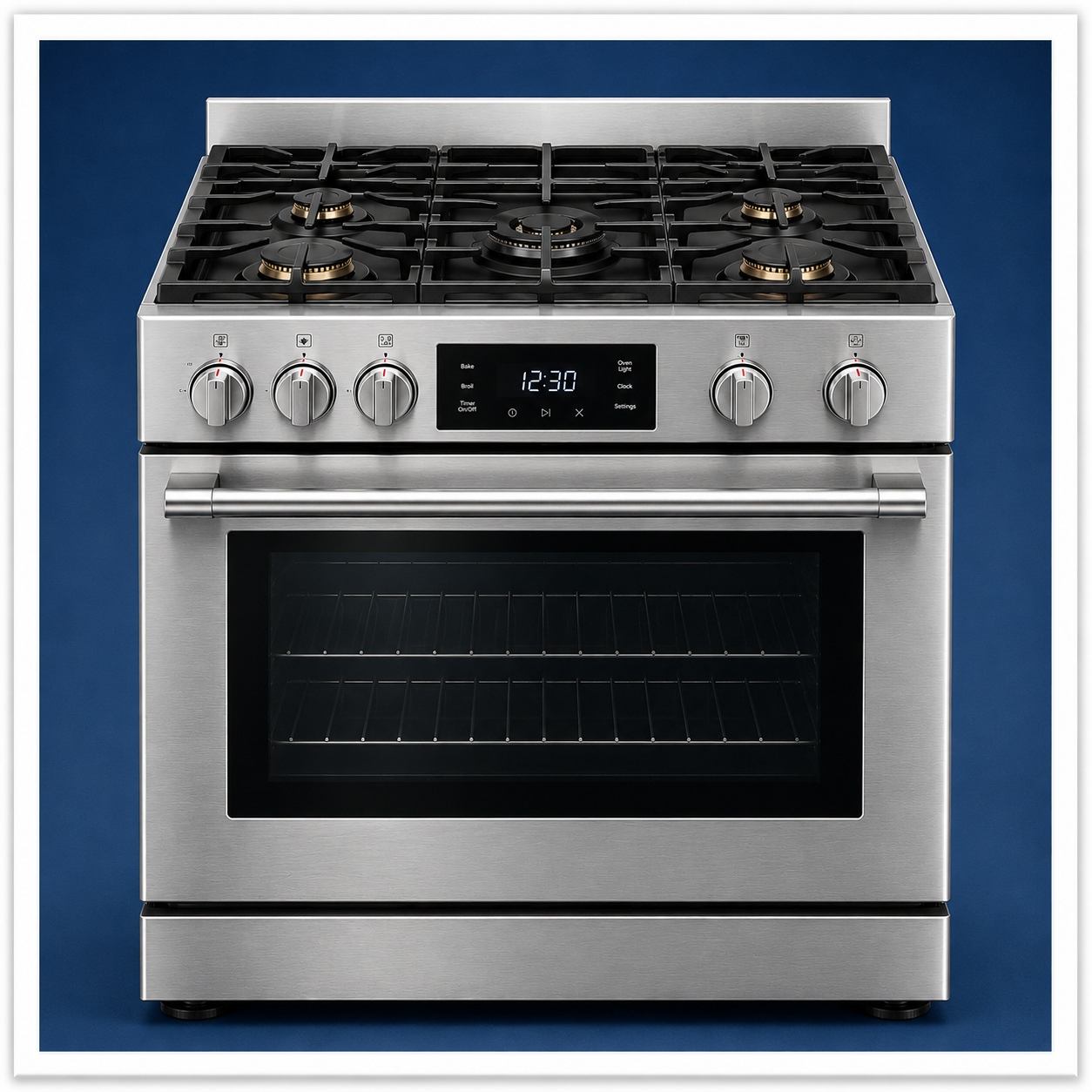
Gas Cooktops: Different Problem, Same Symptom
Gas cooktops fail differently, but the result looks the same — one side stops working. With gas models, the igniter system is the most common failure point. Electronic igniters rely on a spark module. When the module or one of its channels fails, burners on that side won’t light. The gas still flows, but without a spark, nothing ignites. Always confirm the gas supply valve is fully open before assuming an igniter failure.
Clogged burner ports cause a similar problem. Grease, food debris, and cleaning product residue build up inside the small holes around the burner cap. A fully clogged port won’t light at all, and multiple clogged burners on one side can mimic a total zone failure. Remove the burner caps and clean the ports carefully with a toothpick or thin brush.
Induction Cooktops Have Their Own Failure Patterns
Induction cooktops are more complex than gas or traditional electric models. Beneath the ceramic glass surface, each zone contains an induction coil and its own power inverter. When an inverter fails, that zone goes dead. Inverter failure is not a DIY repair — the parts are specific to each model, and installation requires knowledge of high-frequency electronics.
Touch panel failures also shut down induction zones. Moisture infiltration, physical damage, or simple component aging can make entire sections of the control panel unresponsive. If the panel itself isn’t registering input, the zone underneath it won’t activate.
What You Should and Shouldn’t Do Yourself
Resetting the breaker, cleaning burner ports, and checking that the unit is fully plugged in are all reasonable first steps. Beyond that, appliance repair becomes a job for trained professionals. Opening a cooktop exposes you to high-voltage components that retain charge even after the unit is unplugged. Misidentifying the cause and replacing the wrong part wastes money and leaves the real problem unsolved.
Freedom Appliances recommends against any internal disassembly unless you have verified appliance repair training. The cost of a professional diagnosis is almost always lower than the cost of a mistake.
How Technicians Diagnose a Partial Cooktop Failure
A qualified technician follows a logical sequence. They start at the power source, verify voltage at the terminal block, and work inward toward the individual zones. They test each component — switches, elements, wiring, board — with a multimeter. This process isolates the fault quickly without guesswork.
Diagnosis typically takes less than an hour. Repair time depends on part availability, but most cooktop repairs complete within a single visit. If you also rely on a washer or dryer at home, many appliance companies handle multiple appliance types in one service call — a convenient way to address everything at once.
When to Repair vs. Replace
Repair almost always makes financial sense when the cooktop is under ten years old and the failed component is a switch, element, wiring connection, or single inverter. Replacement makes more sense when the control board is damaged on a high-end unit where the board costs nearly as much as a new appliance, or when multiple components fail at the same time.
A technician can give you a clear repair estimate before any work begins. That estimate lets you compare the repair cost against replacement cost and make an informed decision.
Preventing Future Partial Failures
Keep the cooktop surface and burner ports clean. Grease and food debris accelerate component wear and cause igniter failures. Avoid harsh chemical cleaners on smooth-top surfaces — they damage the glass and work their way into seams over time.
Don’t place heavy objects on the cooktop when it’s not in use. Ceramic and induction glass surfaces crack under concentrated weight, and a cracked surface can expose internal wiring to moisture. Schedule a professional inspection if you notice any burner behaving inconsistently — intermittent failures almost always escalate into complete failures if ignored.
Freedom Appliances also handles commercial fridge repair for businesses in the Calgary area, so whether you’re managing a restaurant kitchen or a residential home, professional appliance support is available.
Get Your Cooktop Working Again
A cooktop that’s only half working isn’t something you should have to live with. The cause is almost always specific and fixable. Freedom Appliances brings the experience and diagnostic tools to identify the problem accurately and repair it correctly the first time. Don’t let a partial cooktop failure turn into a full replacement — contact a qualified technician and get a clear answer fast.
FAQ
1. Why did only half my electric cooktop stop working? Half an electric cooktop going dead usually means one leg of the double-pole breaker has tripped, or a wiring fault has cut power to one zone. Check your breaker panel first, then call a technician if the breaker resets but trips again.
2. Can I use my cooktop if only one side works? You can use the working side carefully, but avoid operating the unit until the cause of the failure is identified. An underlying wiring or electrical issue can worsen with continued use.
3. Is a partial cooktop failure covered by home warranty? Coverage depends on your specific home warranty policy. Most policies cover internal component failures but may exclude damage caused by misuse or power surges. Check your policy documents or contact your warranty provider directly.
4. How long does a cooktop repair usually take? Most cooktop repairs complete in a single visit of one to two hours. Parts availability is the main variable — common components like elements and switches are usually stocked, while control boards may require ordering.
5. What’s the difference between an induction cooktop failure and a regular electric cooktop failure? Induction cooktops use electromagnetic coils and power inverters, so failures tend to involve electronic components rather than physical heating elements. Diagnosis and repair require familiarity with induction-specific electronics, which is why a specialist technician is important for these models.