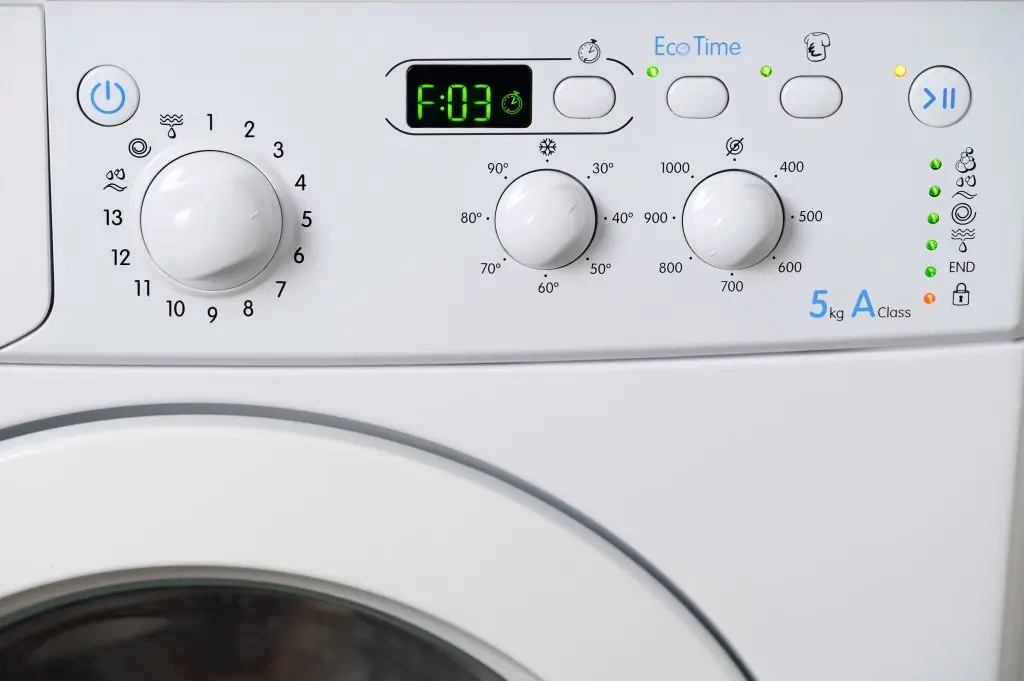
Your washing machine finishes loading, you press start, and within minutes a string of letters and numbers flashes on the display. E1. F5. LO FL. UE. Most people stare at these codes with a mix of confusion and dread. The good news is that error codes are not random — they exist to communicate something specific about what the machine detected. Understanding what those codes actually mean can save you time, money, and a lot of unnecessary stress.
Why Washing Machines Use Error Codes
Modern washers contain sensors that monitor water temperature, drum balance, water levels, door locks, motor performance, and drainage continuously throughout every cycle. When one of those sensors detects a reading outside its expected range, the machine stops the cycle and displays a code. Think of it as the machine flagging a concern so that you — or a technician — can investigate the right area instead of guessing.
The codes vary by brand. A Samsung, LG, Whirlpool, or Bosch washer will use different code conventions even for the same underlying problem. That said, most modern machines group their codes into predictable categories once you know what to look for.
The Most Common Error Code Categories
Drainage Errors
Codes like E21, F21, 5E, OE, or ND point to a drainage problem. The machine tried to drain water during or after a cycle and could not do so within the expected time. Before calling a technician, check the drain hose for kinks, make sure the drain filter at the front bottom of the machine is not clogged, and confirm the standpipe height is within the recommended range. If the blockage is deeper in the pump, a technician needs to handle it safely.
Door Lock Errors
A code referencing the door — often shown as dL, F8, E1, or similar — means the machine detected that the door latch did not engage properly. Sometimes a piece of clothing caught in the seal causes this. Other times, the latch mechanism itself has worn out. A broken door latch is a straightforward repair but one that needs the right part for your specific model.
Imbalance Errors
UE, UB, E4, and F0 codes frequently indicate an unbalanced load. The drum detected uneven weight distribution during the spin phase and stopped to prevent excessive vibration. Redistribute the laundry manually, remove any single heavy item like a duvet, and restart the spin. If the code persists even with a balanced load, the suspension rods or shock absorbers may need attention.
Water Supply Errors
Codes like 4E, LO FL, or FH mean the machine did not receive enough water in the time it expected. Start by checking that both hot and cold water supply valves are fully open. Inspect the inlet hoses for kinks. Clean the mesh filters at the back where the hoses connect — mineral buildup from Calgary’s hard water commonly blocks these screens over time.
Motor or Control Board Errors
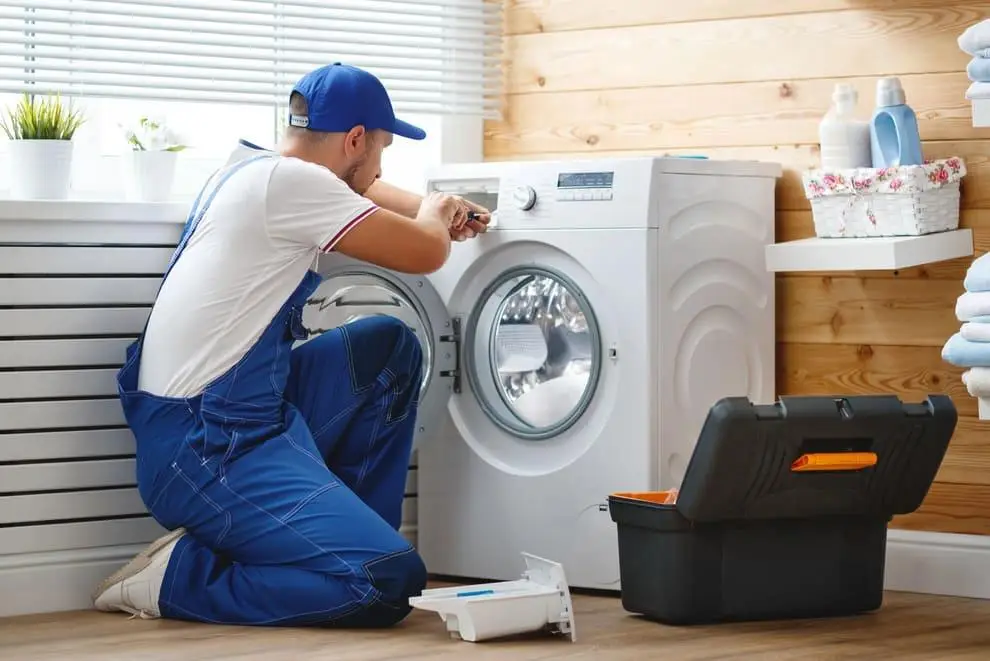
These codes — often E6, F7, or motor-related sequences — indicate electrical faults in the motor or the main control board. These are not DIY repairs. Motor and board issues require diagnostic equipment, correct part sourcing, and safe handling of electrical components. This is when you need professional washer repair from a certified technician.
Should You Reset the Machine First?
Yes — but understand what a reset actually does. Unplugging the machine for 60 seconds clears the error from the display and resets the control board. If the underlying problem is a one-time glitch (a power fluctuation, a momentary sensor misread), the machine may run normally afterward. If the same code returns within a cycle or two, the machine detected a real problem and a reset will not fix it.
When the Error Code Disappears But the Problem Stays
This happens more often than people expect. The machine clears the code after a reset, runs a full cycle, and appears to work — but clothes come out soaking wet, or the cycle takes twice as long as normal. The sensor may have corrected itself temporarily while the mechanical issue it was flagging remains. Freedom Appliances technicians see this pattern regularly, particularly with drainage and motor faults.
A washer that masks its problem is actually harder to diagnose later because the code history gets cleared. If you notice performance issues after a code disappears, document what you observed and share those details when you book a service call.
Other Appliances Use the Same Logic
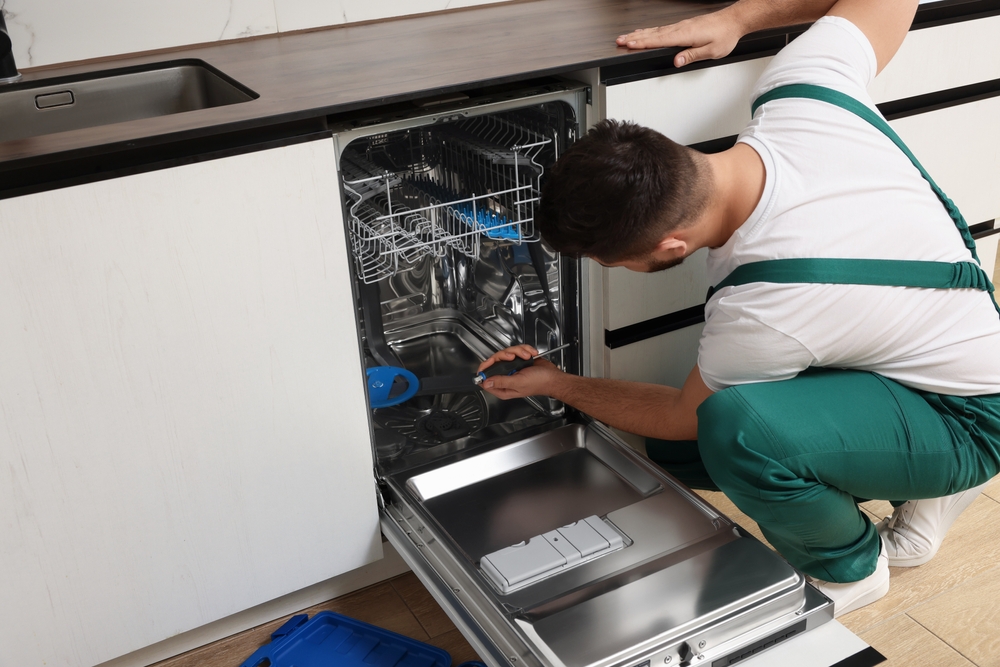
Error codes are not unique to washers. Your dishwasher, oven, and fridge use similar sensor-based communication systems. If you see a code on your dishwasher display, Freedom Appliances offers dishwasher repair with the same diagnostic process. For heat-related codes on cooking appliances, oven and stove repair covers both gas and electric models. A fridge displaying a temperature fault benefits from prompt fridge repair before food safety becomes a concern.
What Freedom Appliances Does With Error Codes
When a Freedom Appliances technician arrives, reading the error code history is one of the first steps in the diagnostic process — not the only step. Codes confirm which system triggered the fault, but a proper repair also requires physically inspecting the identified component, testing related parts, and confirming the root cause. This matters because one symptom can have several causes, and replacing the wrong part wastes your money.
Freedom Appliances technicians carry common parts for the most popular washer brands, which means many repairs happen on the same visit. For more complex faults involving control boards or motor assemblies, parts get sourced and the repair gets completed as quickly as possible. If your dryer is displaying codes alongside your washer issues, the team also handles dryer repair service with the same same-day approach.
The goal at Freedom Appliances is straightforward: accurate diagnosis, honest explanation, and a repair that actually solves the problem rather than temporarily clearing a code.
FAQs
Q: Can I look up my specific error code online to fix it myself? A: You can find general descriptions online, but manufacturer documentation varies and some codes cover multiple possible causes. Use online resources to understand the category of fault, then contact a technician if the issue involves electrical components, the pump, or the motor.
Q: My washer shows a code mid-cycle and stops. Can I just restart it? A: You can try restarting after redistributing the load or checking the door latch. If the same code appears again, the machine has detected something it cannot resolve on its own and a technician should inspect it.
Q: Does Freedom Appliances service all washer brands? A: Yes. Freedom Appliances services all major brands including Samsung, LG, Whirlpool, Bosch, Maytag, GE, KitchenAid, and others.
Q: How much does it cost to diagnose a washer error code? A: The service call and diagnostic fee is $49. If you proceed with the repair, that fee gets waived and you pay only for the repair itself.
Q: Is it safe to keep using a washer that shows an error code intermittently? A: It depends on the code. Drainage or imbalance codes carry lower immediate risk. Codes pointing to electrical faults, motor issues, or water supply failures can worsen with continued use and should be assessed promptly.